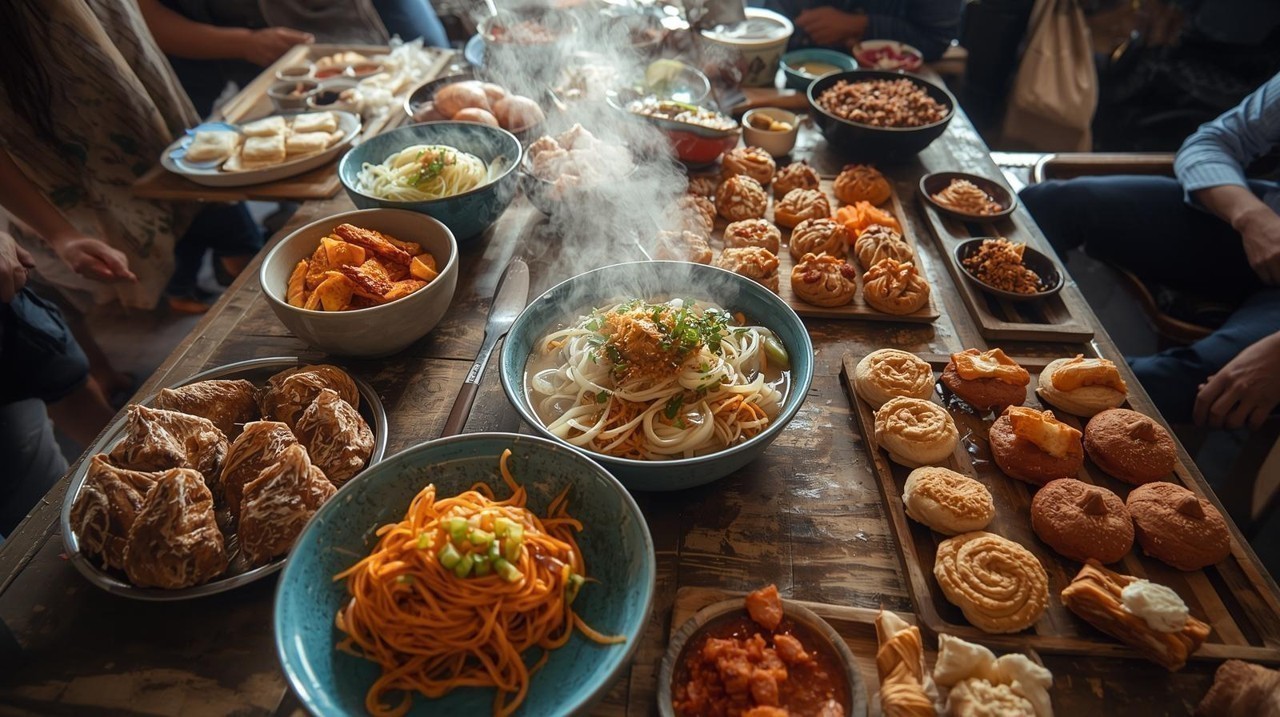
The Rise of "Chef's Table" Experiences: Why Fine Dining is Getting More Personal
Fine dining has always symbolized luxury, elegance, and culinary mastery. For decades, it has been associated with sparkling silverware, pristine table settings, and meals crafted with precision. But in recent years, there has been a remarkable shift in how people perceive high-end cuisine. The trend that’s redefining fine dining is the Chef's Table experience, a concept that places diners in direct contact with chefs and transforms meals into immersive, personal experiences.
What is a Chef's Table Experience?
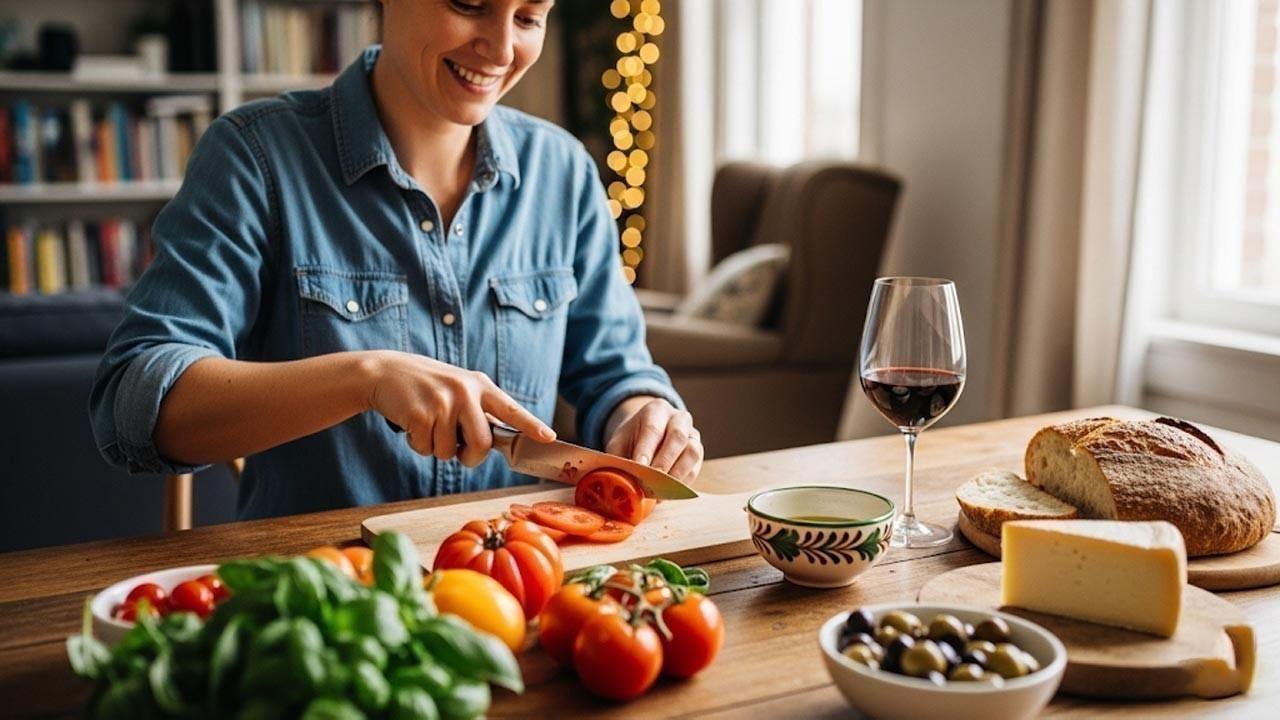
A Chef's Table is more than just eating; it’s an intimate culinary journey. Guests are seated close to the kitchen or at a special table within the cooking area, allowing them to watch chefs craft each dish in real time. Unlike traditional dining, diners can ask questions, see cooking techniques up close, and interact directly with the chef. Some chefs even customize dishes based on guest preferences, making every meal unique.
This experience turns dining into a multi-sensory adventure. Diners see the artistry in plating, smell the aromas of fresh ingredients, hear the sizzle of cooking, and, of course, taste the final creation. Every element is designed to engage the senses and create a memorable dining experience.
Why Diners are Drawn to Chef’s Table Experiences
The popularity of Chef's Table experiences reflects a significant change in dining culture. Modern diners are not satisfied with generic meals—they crave stories, interaction, and experiences. People want to know where ingredients come from, the inspiration behind each dish, and the creative process that transforms raw food into culinary art.
This trend also aligns with a growing emphasis on authenticity and transparency. Diners want to understand the thought, effort, and skill behind every dish. They want to feel connected to the chef and to the food they consume. The Chef’s Table offers precisely that—a personal connection that traditional fine dining rarely provides.
How Restaurants Are Adapting
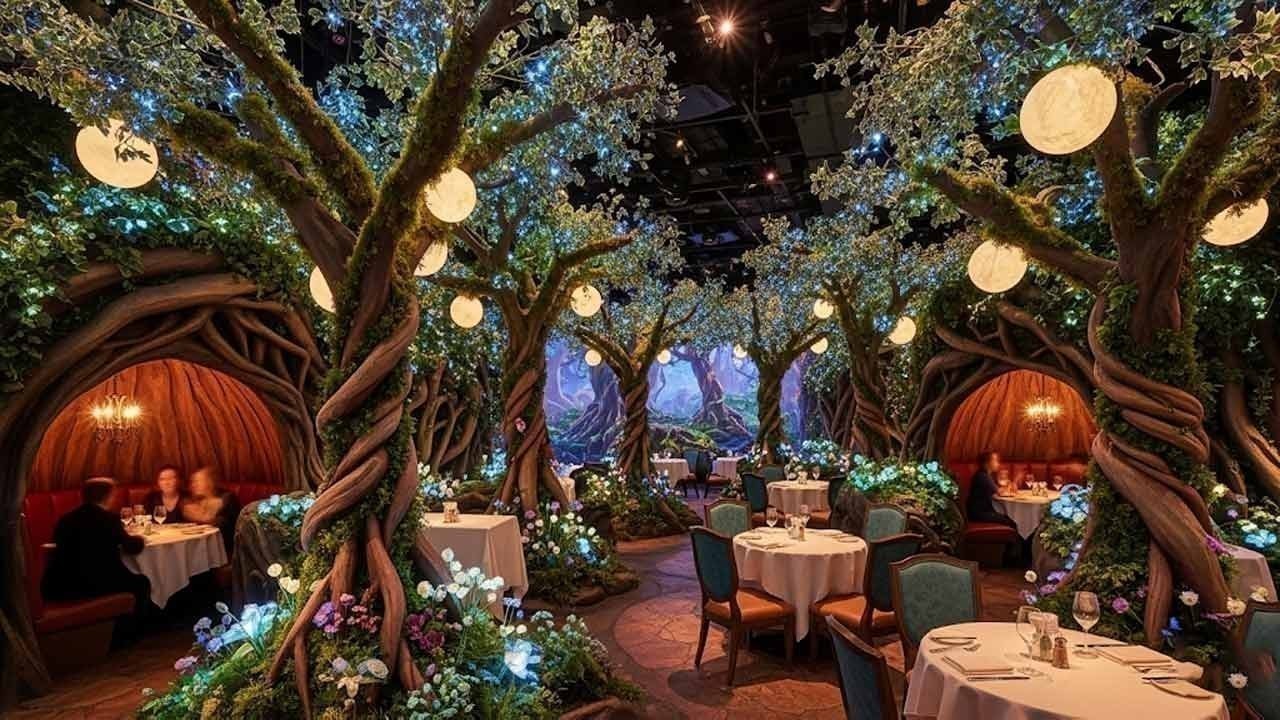
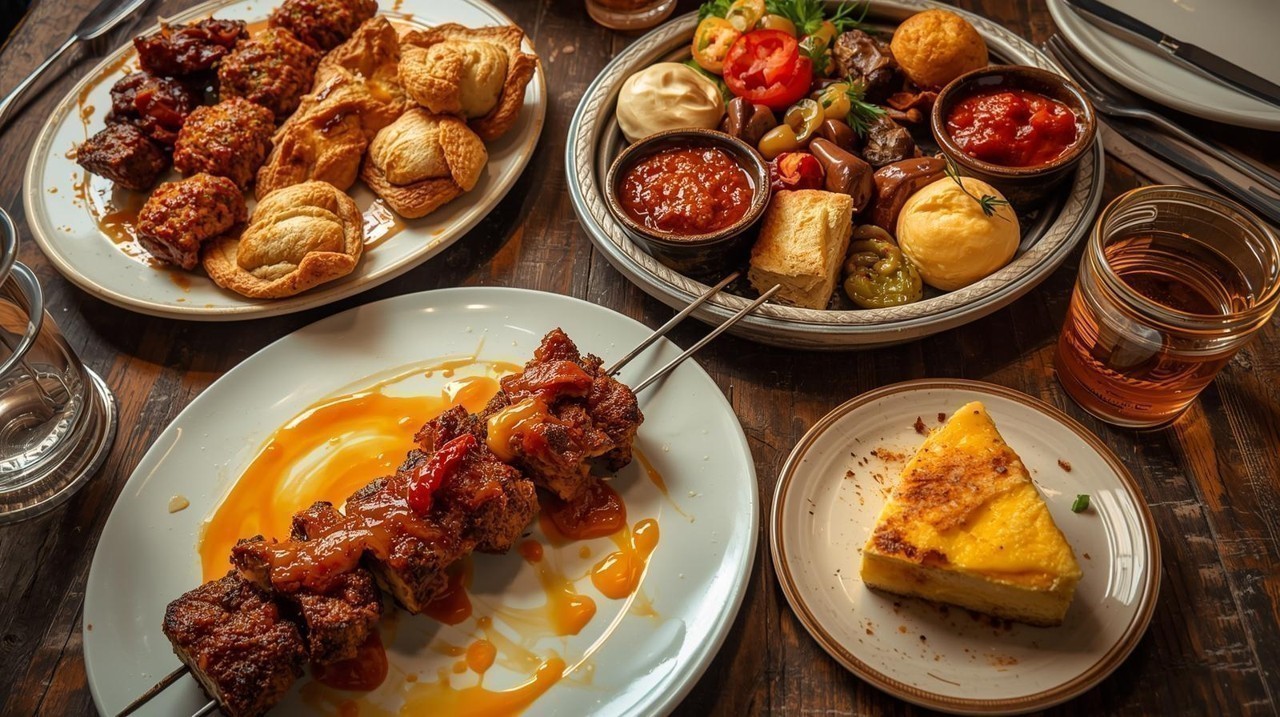
High-end restaurants are embracing the Chef's Table concept to meet evolving customer expectations. Many establishments now dedicate limited seating for Chef’s Table guests, making the experience exclusive and intimate. These tables often feature curated tasting menus, showcasing the chef’s signature dishes or seasonal ingredients. Every dish may be paired with specially chosen wines, cocktails, or non-alcoholic beverages, enhancing the flavors and making the meal unforgettable.
Some restaurants take this concept even further by introducing themed Chef’s Table experiences. For example:
-
Seasonal menus highlighting locally sourced ingredients.
-
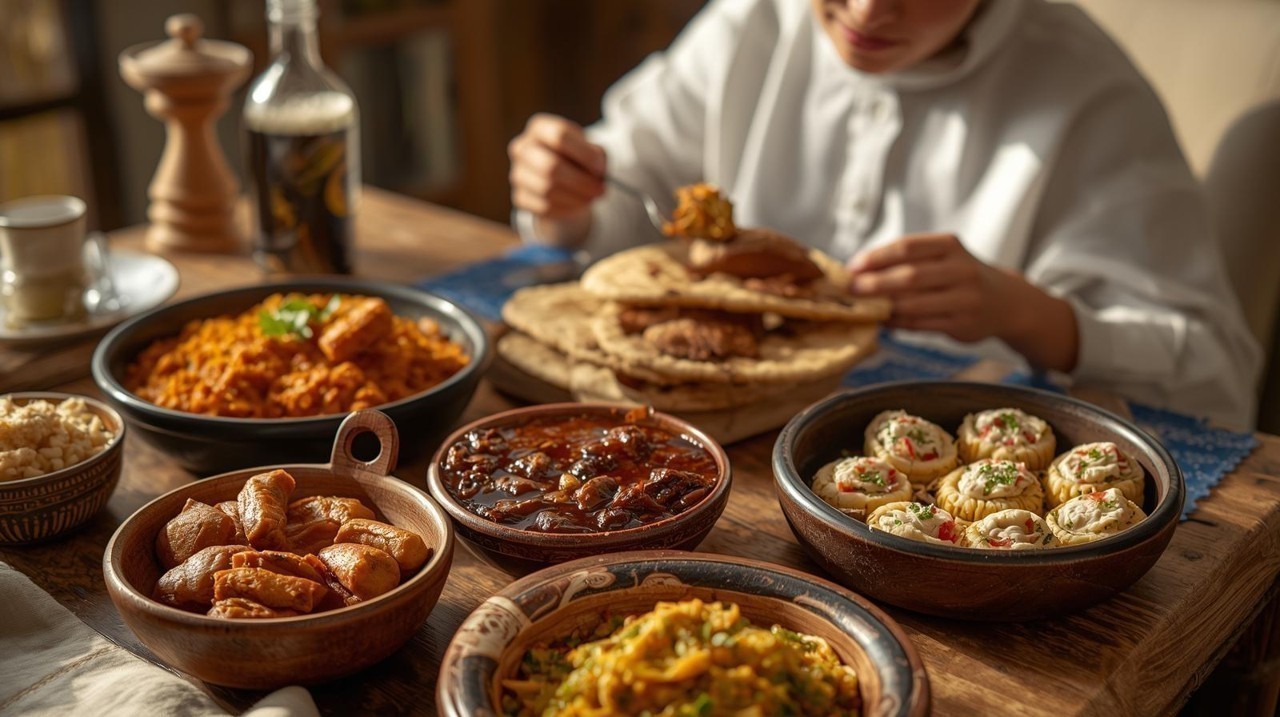
Cultural menus inspired by regional cuisines.
-
Interactive workshops where guests learn basic cooking techniques from the chef.
Such approaches ensure that each Chef's Table visit is unique, offering diners something they cannot get anywhere else.
The Personal Connection Between Chef and Guest
One of the most appealing aspects of the Chef’s Table is the direct interaction between chefs and guests. Diners can ask questions about techniques, ingredients, and plating styles. This interaction allows guests to appreciate the artistry behind every dish and gives chefs the opportunity to showcase creativity and culinary skill.
This personal touch also makes guests feel valued. Instead of being passive consumers, diners become participants in a shared experience. Many report feeling a deeper appreciation for food and the craft involved in creating a gourmet meal. In essence, a Chef's Table transforms dining into an intimate, human-centered experience.
The Role of Social Media in Popularizing Chef’s Table
Social media has accelerated the growth of Chef's Table experiences. Diners often share photos of beautifully plated dishes, videos of chefs at work, and behind-the-scenes moments from their dining experience. Platforms like Instagram and TikTok have turned Chef’s Table visits into shareable content that inspires others to seek out similar experiences.
Restaurants have also recognized the marketing value of these experiences. By creating visually stunning dishes and interactive experiences, they attract new customers and build a reputation for innovation and exclusivity. This digital exposure has contributed significantly to the global rise of Chef’s Table dining.
Benefits Beyond Taste
While the Chef's Table is undeniably about food, its benefits go far beyond taste. Some of the key advantages include:
-
Education: Guests learn about ingredients, cooking techniques, and food origins.
-
Connection: Diners interact with chefs, creating a more personal and memorable experience.
-
Creativity: Chefs can experiment and showcase innovative dishes directly to guests.
-
Memorability: The experience leaves lasting impressions, making it ideal for celebrations or special occasions.
-
Cultural Exploration: Themed menus allow diners to experience different cultures and flavors in an authentic way.
Chef’s Table as a Reflection of Modern Values
Experts agree that the Chef’s Table trend is more than a passing fad. It reflects a shift in consumer values where experiences are prioritized over possessions. People are seeking meaningful interactions, storytelling, and immersive experiences rather than simply owning material things.
Dining is evolving into a form of entertainment, education, and social connection. The Chef's Table encapsulates all three, offering a rare blend of luxury, personalization, and engagement that resonates with modern diners.
Looking Ahead: The Future of Fine Dining
The Chef's Table is changing the landscape of fine dining worldwide. Restaurants are increasingly recognizing that diners want experiences that are personal, interactive, and unforgettable. As this trend grows, we can expect:
-
More restaurants worldwide to adopt Chef’s Table seating.
-
Increased use of seasonal, locally sourced ingredients for authenticity.
-
Enhanced digital promotion of culinary experiences via social media.
-
Innovative dining formats that blend performance, storytelling, and gastronomy.
For food enthusiasts, the Chef’s Table offers an opportunity to enjoy fine dining in a more meaningful and engaging way. It is no longer just about eating; it is about understanding, connecting, and celebrating the art of food. As this trend continues to expand, the future of fine dining promises to be more personal, interactive, and unforgettable than ever before.
Disclaimer
This article is exclusively written for DXB News Network. The content is original, informative, and intended for general readership. All opinions and insights reflect the purpose of providing accurate and engaging information, but readers should verify details independently before making decisions based on this content.
If you want, I can also integrate this disclaimer at the end of your Chef’s Table article in a seamless way. Do you want me to do that?