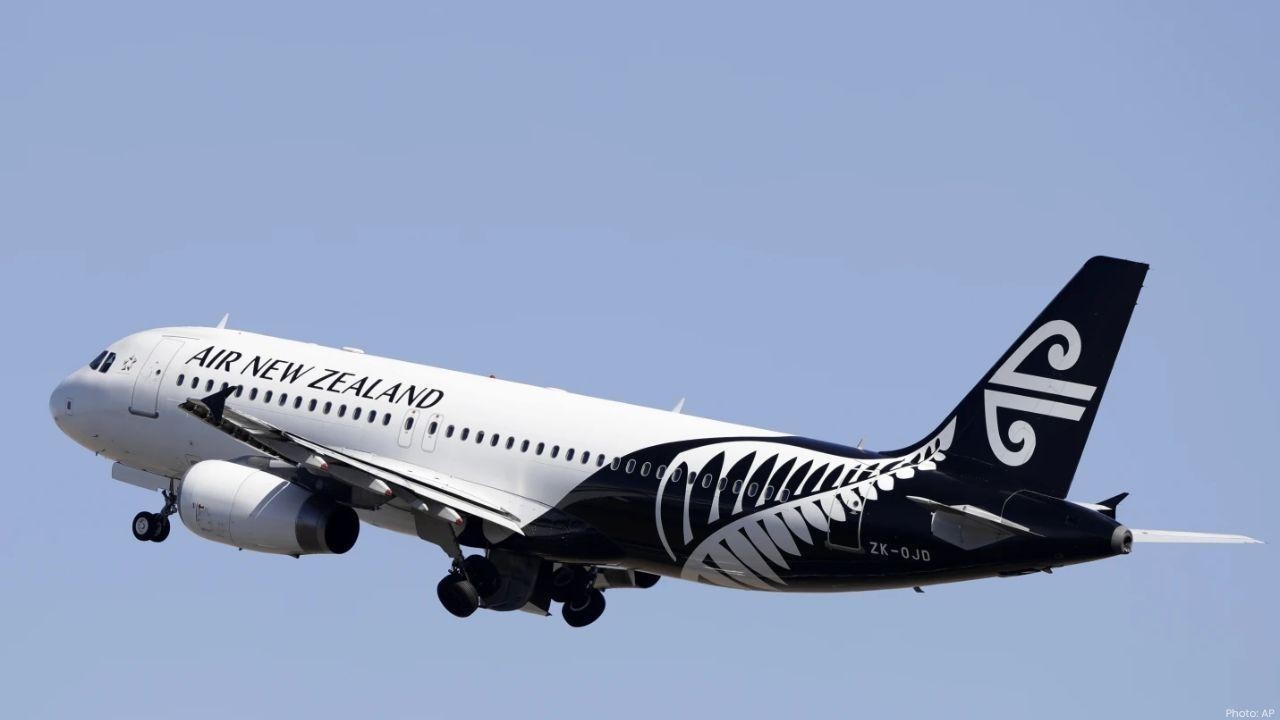
Air New Zealand (NZ) has won a legal battle regarding the dismissal of six international flight attendants who refused to take the Covid-19 vaccine. The crew members were dismissed in 2021 after not complying with statutory vaccination requirements introduced that year. The Employment Relations Authority has now ruled that the airline acted fairly and reasonably under the law, and the crew members had no grounds to claim unjustified dismissal.
Background of the Case
In 2021, New Zealand introduced new rules requiring international pilots and cabin crew to receive Covid-19 vaccinations. The rules stated that the first dose of the Pfizer vaccine had to be administered by September 30, 2021, and the second dose within 35 days. These regulations were part of the Covid-19 Public Health Response Order, which aimed to protect both crew members and passengers from the spread of the virus.
Stay informed with the latest news. Follow DXB News Network on WhatsApp Channel
Air New Zealand clearly communicated these vaccination requirements to all affected crew members. In addition to informing them about the rules, the airline also explored possible alternatives for employees who had concerns about getting vaccinated. However, the six flight attendants involved in this case refused both the vaccine and the alternatives offered by the airline. As a result, their employment was terminated.
Airline’s Actions and Communication
Air New Zealand’s approach in this case was considered consistent with what a fair and reasonable employer could do. Before dismissing the employees, the airline made several efforts to discuss options with them. Meetings were eventually arranged to address concerns and explore alternatives. One important meeting took place on October 4, 2021, where the airline offered leave without pay and possible redeployment opportunities for the crew members.
Despite these offers, the six flight attendants declined the proposed alternatives. Some were concerned about uncertainty regarding their return to work, while others faced issues with withdrawing funds from their superannuation accounts. Air New Zealand decided that redeployment was not a viable solution, and the employees’ refusal left the airline with no option but to proceed with dismissal.
Legal Arguments by the Crew
The flight attendants challenged their dismissal by filing personal grievances. They argued that the vaccine requirement was not legitimate and questioned the airline’s authority to enforce mandatory vaccination.
Additionally, the employees argued that they should have been treated as made redundant under the collective agreement rather than being dismissed. They claimed that Air New Zealand acted unreasonably by not offering suitable alternatives such as allowing them to work on quarantine-free travel flights, including routes like Auckland (AKL) to Sydney (SYD).
Employment Relations Authority Findings
The Employment Relations Authority carefully reviewed all aspects of the case. Authority member Alex Leulu clarified that Air New Zealand had acted fairly and reasonably throughout the process. The airline had offered unpaid leave and potential redeployment options, which the employees declined.
The Authority emphasized that the airline’s actions were consistent with legal requirements and public health rules. Because vaccination was mandatory under the Covid-19 Public Health Response Order, the dismissals were justified. The applicants were therefore not entitled to claims of unjustified dismissal or exemplary damages.
Comparison to Other Cases
This ruling is similar to other legal decisions in the aviation sector but also highlights differences. For instance, last month, a Jetconnect pilot contracted to Qantas successfully challenged dismissal over Covid-19 vaccination requirements. The difference in outcomes was linked to employer communication and the options provided to employees.
In the Air New Zealand case, the Authority noted that the airline had clearly communicated rules, explored alternatives, and offered reasonable solutions such as leave without pay. The employees’ refusal of these options was a key factor in upholding the dismissal as lawful and fair.
Implications for the Aviation Industry
The case sets a strong precedent for how airlines can enforce mandatory vaccination requirements while staying within legal boundaries. It highlights the operational and legal challenges airlines face when balancing public health measures with workforce management.
For employees, the case underlines the importance of engaging with employer-provided alternatives when statutory requirements conflict with personal choices. Options such as unpaid leave or redeployment can help avoid dismissal, even in situations where compliance with public health rules is mandatory.
Bottom Line
Air New Zealand has successfully defended its decision to dismiss international flight attendants who refused the Covid-19 vaccine. The Employment Relations Authority concluded that the airline acted fairly and reasonably, providing alternative options that were declined by the employees.
This ruling reinforces the obligations of international crew under public health mandates and clarifies the legal position for airlines enforcing similar requirements. It also serves as a reminder to employees about the importance of considering alternatives offered by their employers during extraordinary circumstances like a global pandemic.
In conclusion, the case is a landmark decision that balances public health safety and employee rights while highlighting the responsibilities of both airlines and crew members during a public health crisis.