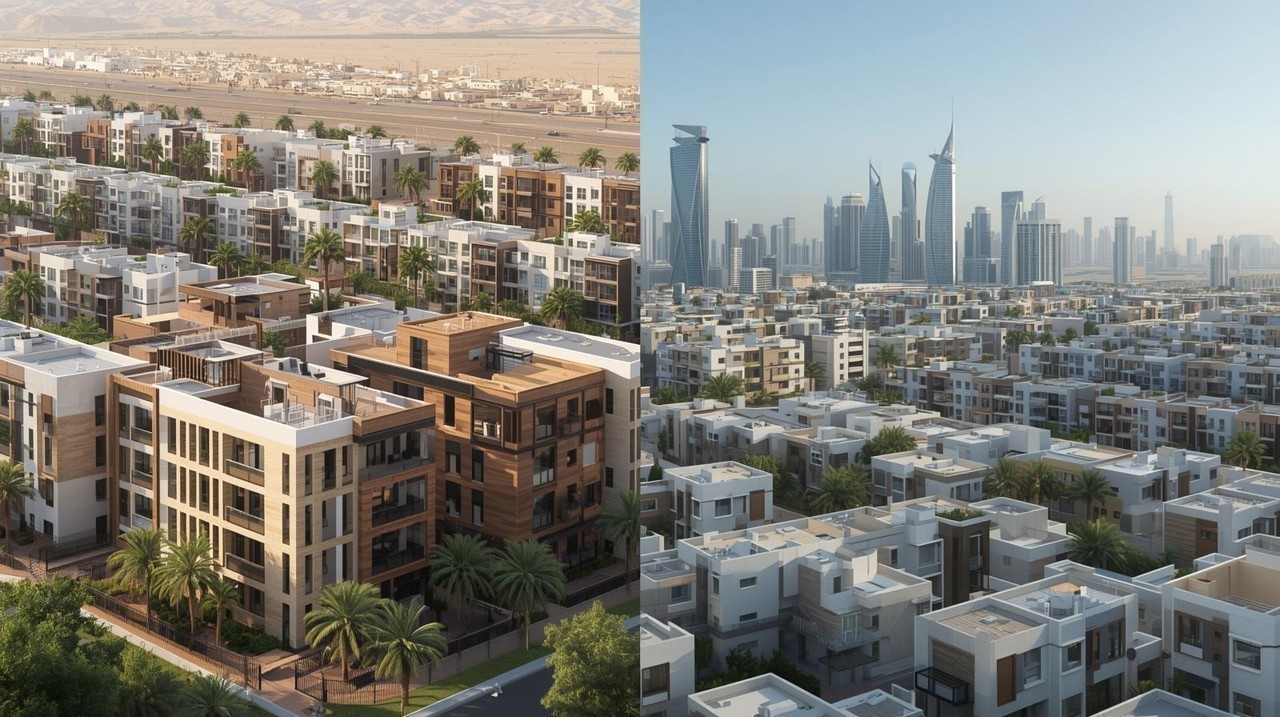
Affordable Housing Opportunities in Saudi Arabia vs UAE
The Middle East has become one of the most attractive regions for global investors, professionals, and families looking for better living standards. Among the leading countries, Saudi Arabia and the United Arab Emirates (UAE) stand out as economic powerhouses that continue to invest in infrastructure, housing, and urban development. With rising populations and an increasing demand for accessible homes, affordable housing has emerged as a top priority for both nations in 2025.
This article explores the affordable housing market in Saudi Arabia and the UAE, comparing government initiatives, market opportunities, costs, and future prospects for both investors and residents.
The Growing Demand for Affordable Housing
Both Saudi Arabia and the UAE have seen rapid urbanization, driven by job opportunities, economic diversification, and foreign investments. The demand for affordable housing comes from:
-
Young professionals and expatriates
-
Middle-income families
-
Nationals seeking first-time home ownership
-
Workforce housing linked to mega projects
Despite differences in policies and real estate landscapes, both nations are actively working to make housing more inclusive and sustainable.
Affordable Housing in Saudi Arabia
Government Initiatives
Saudi Arabia’s Vision 2030 program emphasizes providing citizens and residents with affordable housing. The Sakani program, led by the Ministry of Housing, has played a major role in offering subsidized housing, rent-to-own schemes, and financing options. By 2025, the Kingdom has made significant progress in delivering over 1.2 million homes under this initiative.
Price Trends
Compared to the UAE, property prices in Saudi Arabia are generally lower, especially in secondary cities like Jeddah, Dammam, and Makkah suburbs. Riyadh, however, has seen rising prices due to its role as the Kingdom’s economic hub.
-
Average cost per square meter (2025): SAR 3,500 – SAR 6,000 (depending on location).
-
Apartments and townhouses remain the most popular affordable housing formats.
Financing Opportunities
Saudi banks and government housing funds provide low-interest loans and installment schemes for first-time buyers, making ownership easier for locals. Expatriates, however, face limited access to property ownership compared to nationals.
Affordable Housing in UAE
Dubai and Abu Dhabi Initiatives
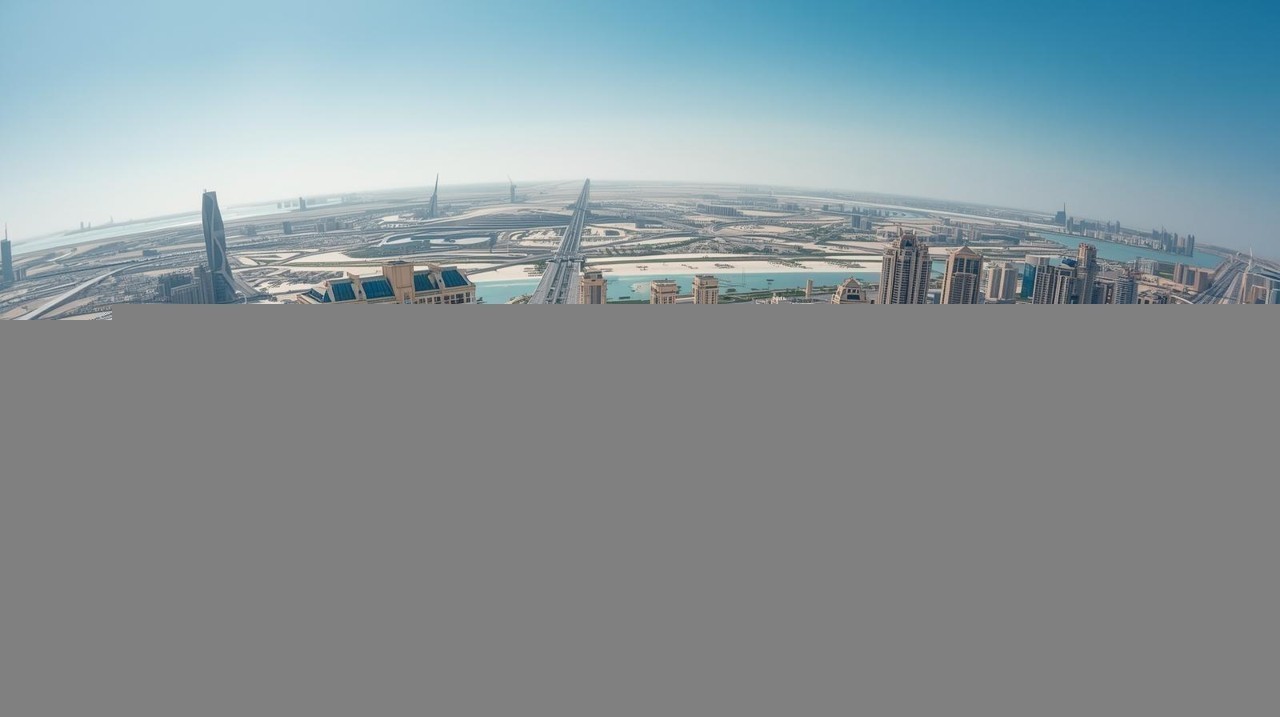
The UAE has long been known for luxury developments, but in recent years, affordable housing has gained momentum to serve its large expatriate population. Dubai’s 2040 Urban Master Plan highlights balanced housing development, ensuring that affordable units are integrated into city planning.
-
Dubai South, Jumeirah Village Circle, and International City are hotspots for affordable housing.
-
Abu Dhabi is focusing on new suburbs offering budget-friendly apartments and family-friendly communities.
Price Trends
While still higher than Saudi Arabia, the UAE offers a wider variety of housing models catering to mid-income expats.
-
Average cost per square meter (2025): AED 6,000 – AED 12,000 depending on community.
-
Studio apartments and compact townhouses are in high demand among expatriates.
Financing and Rental Market
One of the UAE’s strong points is the flexible mortgage options for residents and foreigners. Expatriates can buy homes in designated freehold zones, which makes Dubai and Abu Dhabi attractive markets for long-term living.
The rental market also plays a key role. Affordable rentals in areas like Discovery Gardens, Al Nahda (Sharjah), and Dubai Silicon Oasis are ideal for middle-income professionals.
Comparing Saudi Arabia and UAE
| Feature | Saudi Arabia | UAE |
|---|---|---|
| Government Support | Strong subsidies for nationals under Sakani program | Balanced policies with freehold zones for expats |
| Affordability | More affordable overall | Higher prices but more options for foreigners |
| Target Audience | Primarily Saudi nationals | Expatriates + locals |
| Ownership Access | Limited for foreigners | Widely available in freehold areas |
| Rental Market | Growing but limited for expatriates | Mature and diverse rental options |
Future Outlook (2025 and Beyond)
-
Saudi Arabia: Affordable housing will remain a national priority, especially with the growth of NEOM and other mega projects that will attract both local and international workforces. More public-private partnerships are expected to boost housing supply.
-
UAE: Dubai and Abu Dhabi will continue to strike a balance between luxury and affordability. With global events, expanding job opportunities, and attractive visa reforms, demand for expat-friendly affordable housing will stay strong.
When comparing Saudi Arabia vs UAE in terms of affordable housing, both countries present unique advantages. Saudi Arabia offers lower prices and strong government subsidies, making it highly attractive for nationals. On the other hand, the UAE provides more opportunities for expatriates with a mature rental market and freehold ownership options in prime areas.
For investors, the UAE remains a more accessible and liquid market. For residents seeking ownership at a lower cost, Saudi Arabia is a compelling choice. Ultimately, the best option depends on whether you are a national, an expatriate, or an investor looking for long-term growth in the region.