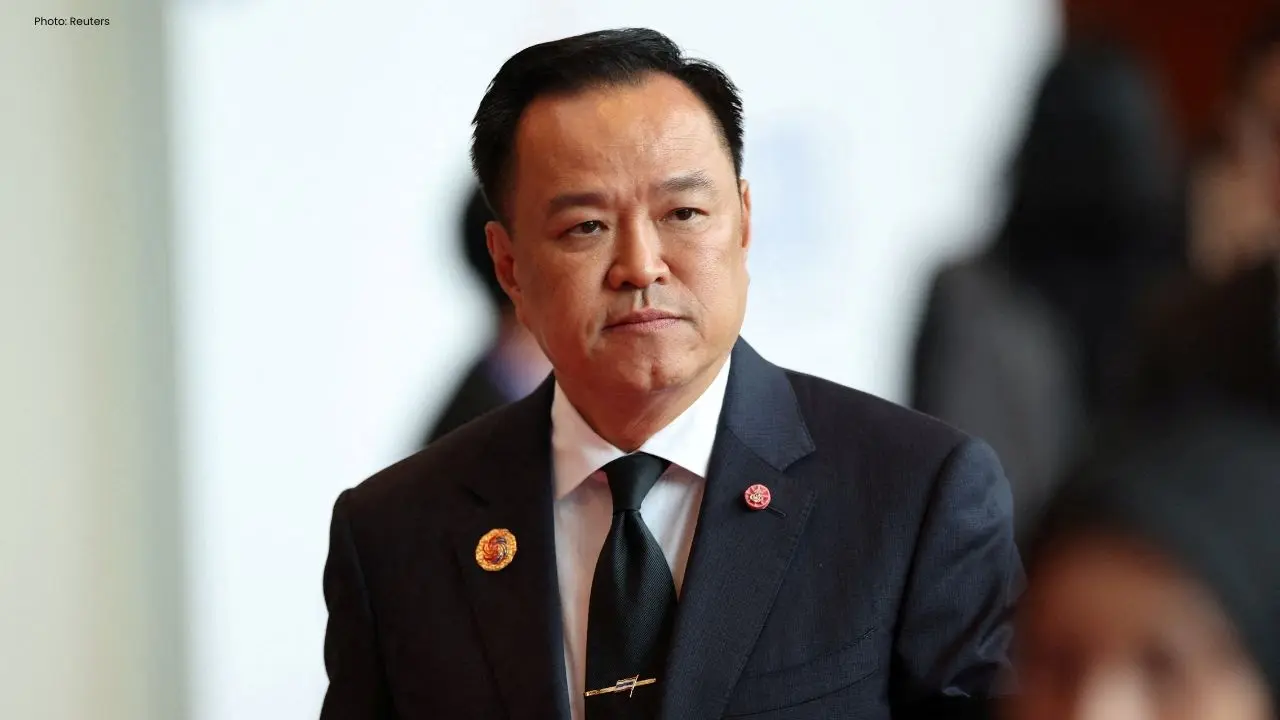
In a significant administrative reshuffling, Thailand's Ministry of Education has taken strides to enhance the effectiveness of its educational framework. This initiative aims at optimizing operations, boosting coordination, and speeding up policy execution across educational institutions.
Education Minister Prasert Chantharawongthong has formally assigned key responsibilities to Deputy Minister Akranan Kankittinant. This new arrangement delegates substantial authority, enabling the Deputy Minister to act on behalf of the Minister for a range of administrative and operational responsibilities, fostering a quicker response within the Ministry.
With this mandate, the Deputy Minister is empowered to endorse orders, grant permissions, and oversee various pivotal departments. These include the Department of Learning Promotion and the National Institute of Educational Testing, among others. The goal is to enhance both the speed and effectiveness of decision-making, particularly in lifelong learning and scientific education.
This reform underscores a commitment by the government to modernize education, emphasizing technological learning, refining national assessment systems, and bolstering extracurricular activities like scouting. By consolidating operational power under the Deputy Minister, the Ministry aims for a unified approach to policy implementation and departmental coordination.
Nevertheless, the order comes with specific restrictions on the delegated powers. Issues that need royal consent, vital policy decisions, legal frameworks, and any matters requiring Cabinet or Prime Minister involvement will still be the prerogative of the Education Minister, maintaining essential oversight for important decisions.
Furthermore, the Deputy Minister must provide feedback to the Minister upon the completion of assigned tasks, ensuring a system of transparency and accountability. This reporting mechanism is structured to balance operational agility with administrative governance, enabling the Ministry to run effectively without compromising on governance standards.
Effective April 16, 2026, this directive is anticipated to boost agency collaboration and enhance the delivery of educational services. It signifies the Thai government's ongoing determination to reinforce its educational framework and adapt to shifting national and global educational demands.