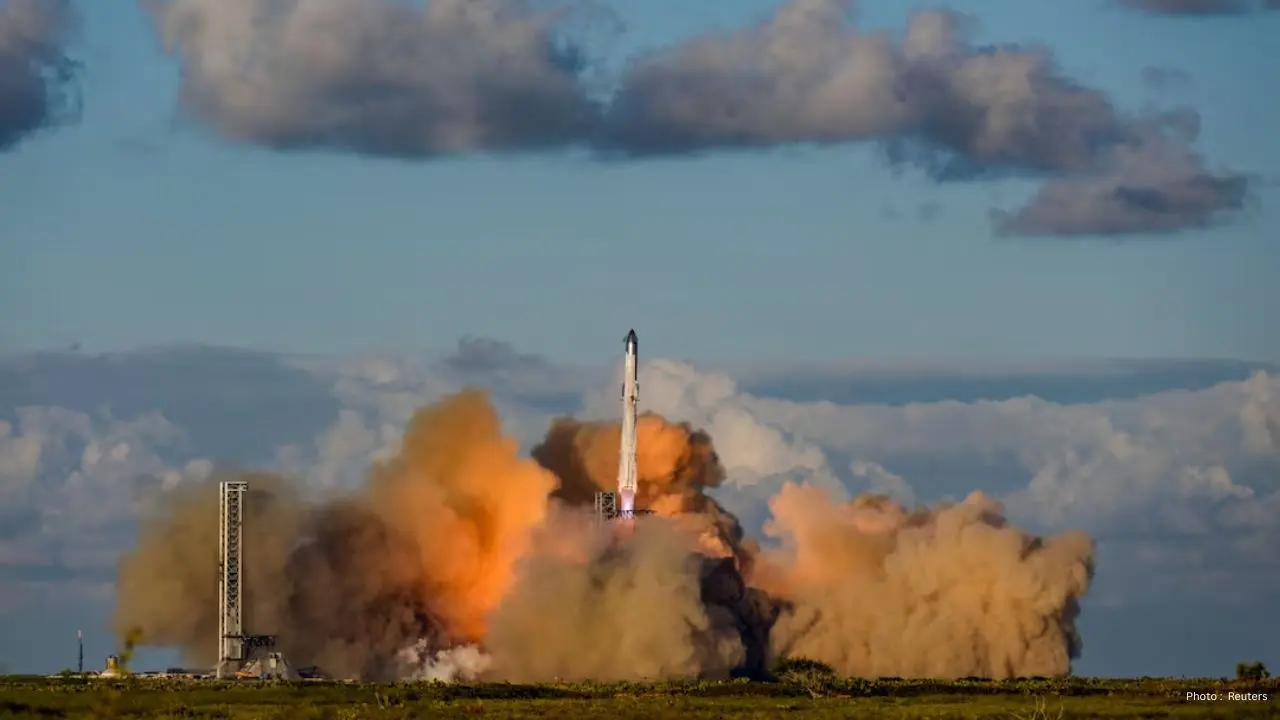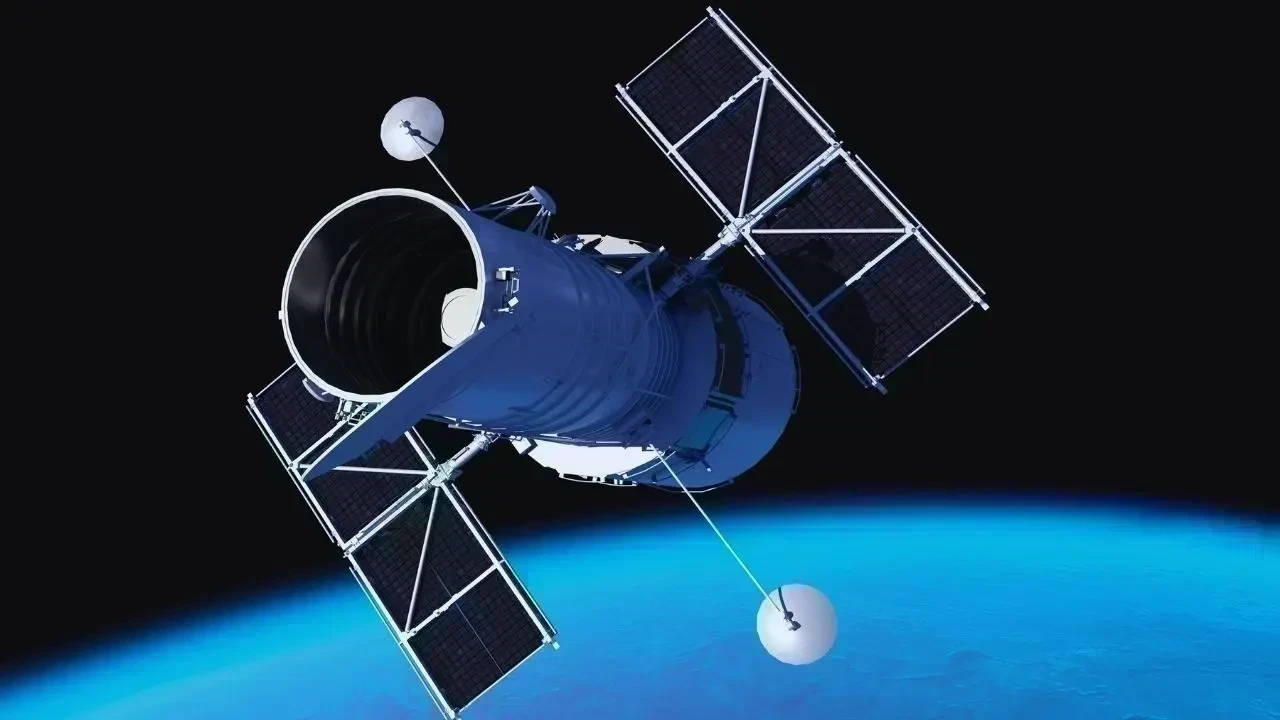
A pivotal announcement in the realm of space and technology has sparked debate regarding the future of artificial intelligence infrastructure. In a recent filing, SpaceX indicated that constructing AI data centers in space may not be financially feasible at present, raising eyebrows among industry experts and potential investors.
The concept of space-based data centers has garnered attention over the last few years, with proponents arguing that such systems could deliver benefits like enhanced energy efficiency, solar power utilization, and swifter global communication. Some companies even envision space as the next frontier for the substantial data requirements of artificial intelligence.
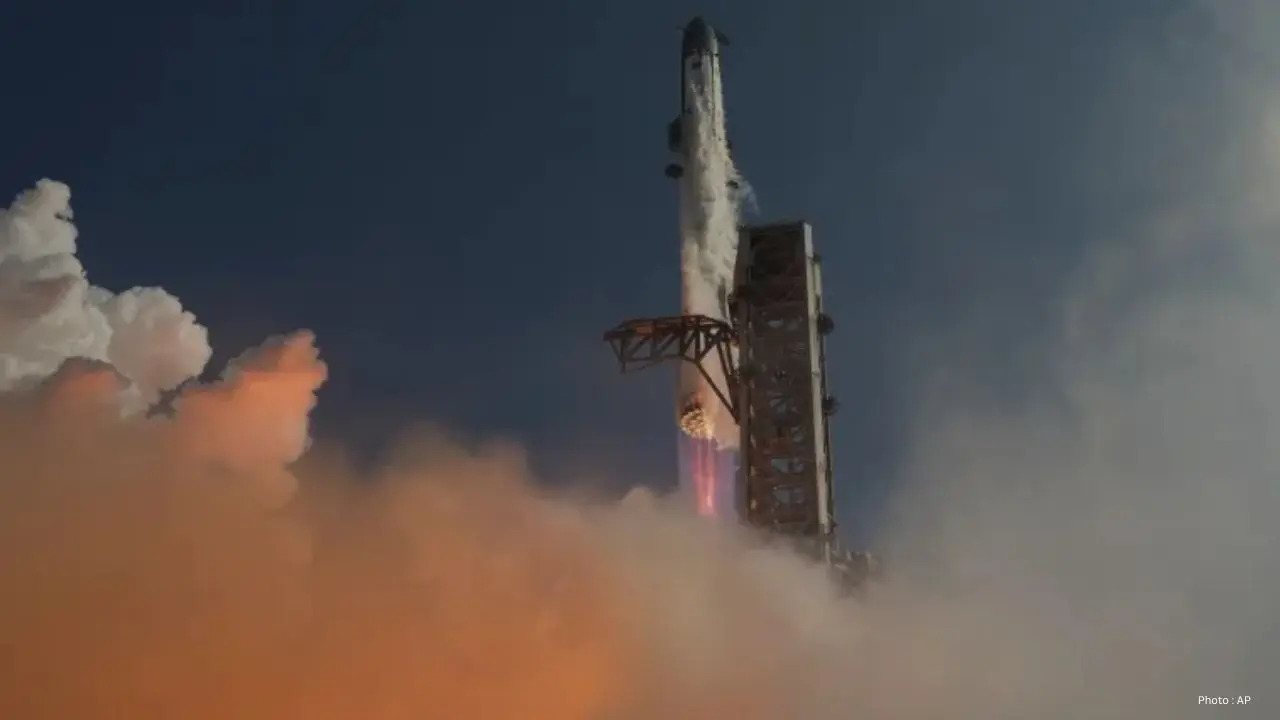
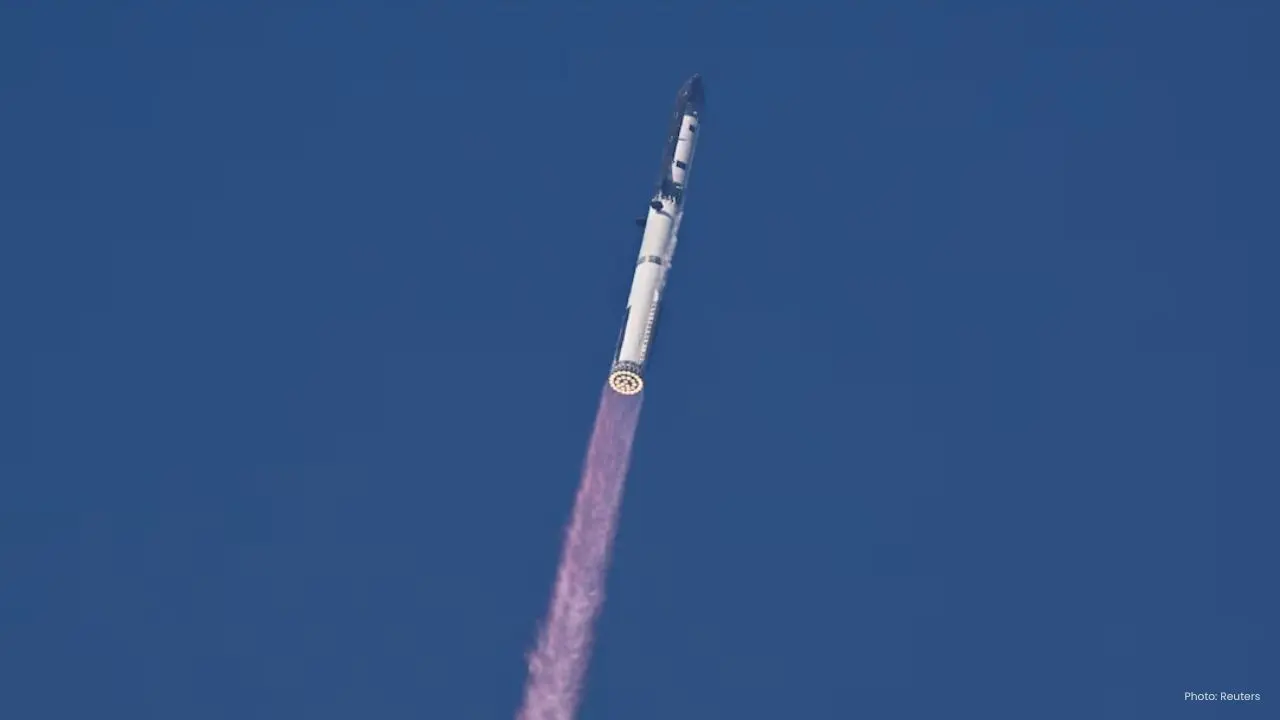
Nonetheless, SpaceX's stance injects a note of caution into the discussion. The company warns that the concept is largely untested and is riddled with difficulties. Chief among these obstacles is expense; the cost of launching equipment into space is prohibitively high. Even factoring in reusable rockets, positioning vast data centers in orbit demands considerable financial backing.
Technological challenges also loom large. Managing a data center on Earth is already no small feat; it involves cooling systems, reliable power sources, and ongoing maintenance. Transitioning these operations to space complicates matters greatly. Extreme environmental conditions, radiation exposure, and limited accessibility elevate operational risks. Resolving issues in orbit is far more intricate than dispatching a technician.
From a commercial standpoint, the pressing question remains whether the potential merits will outweigh the associated costs. Companies typically make investments when clear returns are anticipated. Currently, space-based AI data centers lack established success records, which makes investors wary. Without robust evidence of profitability, achieving significant funding could prove challenging.
SpaceX's declaration also draws attention to a wider concern within the tech industry. New concepts often generate excitement, yet not all translate into thriving enterprises. There's a clear distinction between what's conceivable and what's feasible. While technology may enable construction, that doesn't guarantee it's the optimal solution.
That said, innovation ought to be nurtured. Technologies that are complex today might become manageable in the future, with costs decreasing and fresh solutions emerging for existing challenges. What seems unfeasible now could be entirely viable down the line.
From an editorial viewpoint, SpaceX's cautionary note serves as a timely reminder to marry ambition with pragmatism. The tech landscape can be fast-paced, leading companies to hastily venture into uncharted territories without a complete grasp of the inherent risks. Strategic planning and comprehensive testing are paramount prior to committing substantial investments.
Furthermore, collaboration stands as a crucial element. Governments, private entities, and research institutions should join forces to navigate the potentialities of space technology. By pooling resources and expertise, they can mitigate risks and enhance success rates.
The ongoing conversation about space-based AI data centers also highlights the increasing need for computational power. As artificial intelligence advances, so too does the demand for data processing. Cultivating efficient and sustainable means to satisfy this need is pivotal for future advancements.
For the time being, focus is expected to remain on enhancing terrestrial data centers. Breakthroughs in energy efficiency, cooling mechanisms, and renewable energy sources can help meet escalating demands without incurring the high costs tied to space operations.
SpaceX's filing shouldn’t be viewed as a rejection of space-based technology. Rather, it sets a practical framework for future dialogue, urging the industry to exercise caution and deliberate before embarking on undertakings that might not yield fruitful results.