Recent traffic statistics reveal a startling spike in speeding incidents on Parkside Drive in Toronto, following the removal of automated speed cameras. Reports indicate that instances of drivers exceeding safe speeds have surged by over 200% since these enforcement tools went offline.
Parkside Drive has historically been a hotspot for both speeding and severe accidents. This crucial roadway links Bloor Street to Lake Shore Boulevard and has been a focal point for ongoing safety discussions. Community members and road safety advocates argue that the cessation of speed camera enforcement has exacerbated the road's dangers.
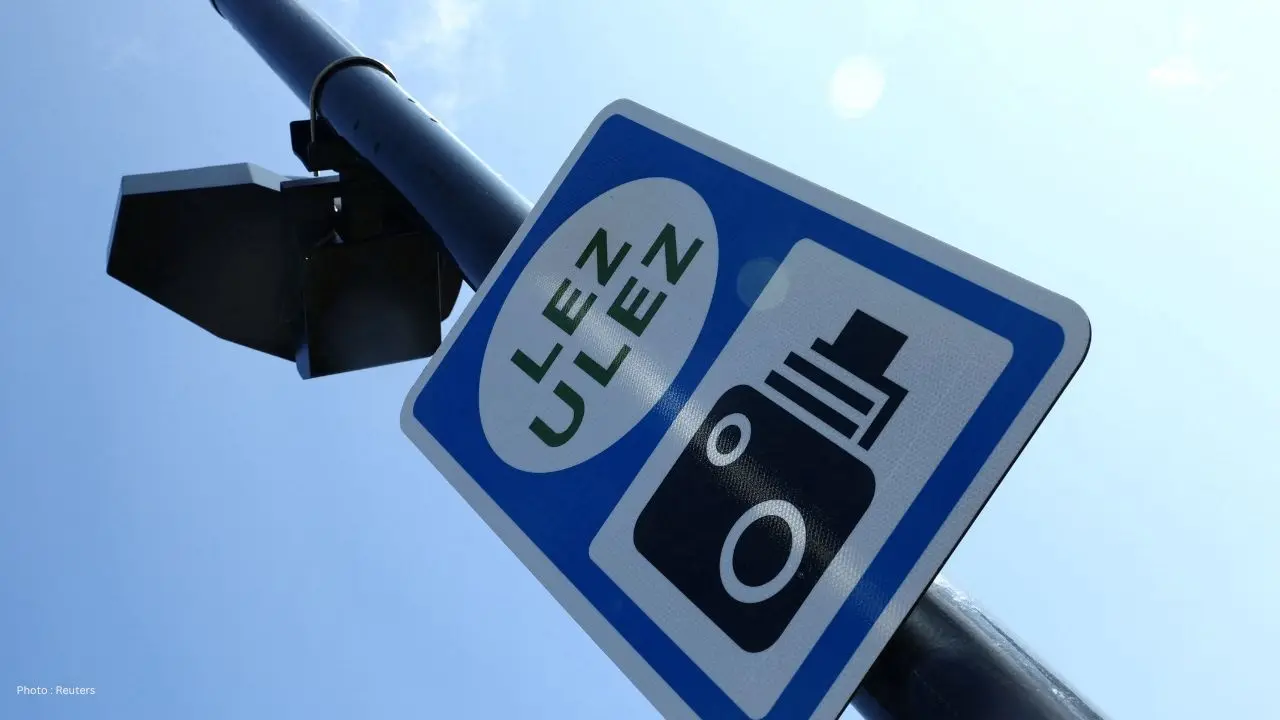
The automated speed enforcement camera on Parkside Drive was launched in 2022 and rapidly became one of Toronto's most productive cameras, issuing over 69,000 speeding citations and accumulating millions in fines. During its operation, it recorded vehicles traveling at speeds exceeding 150 km/h.
Despite its efficacy, provincial legislation banning automated speed monitoring led to the camera's removal, which has reportedly triggered a rise in reckless speeding behavior on the road, with more drivers exceeding safe speed limits.
Local residents express growing anxiety over pedestrian safety, given the area includes homes, parks, schools, and busy pedestrian paths. Advocates for road safety maintain that the speed camera was vital in curbing dangerous driving and documenting the severity of the speeding issue.
Parkside Drive has a troubling history of major accidents. In 2021, a tragic chain-reaction crash claimed two lives at the intersection with Spring Road, highlighting the urgent need for enhanced road safety measures.
Toronto officials are now investigating alternative road safety strategies, but restrictions imposed by the province limit the city’s options. Proposed measures include redesigning roadway sections, enhancing pedestrian infrastructure, and implementing traffic calming methods. However, officials caution that these initiatives may take years and entail hefty costs.
Road safety organizations continue to voice their concerns over the provincial ban on automated cameras, stating that such technology is a crucial means to deter reckless drivers. Some residents suspect that political discord between city and provincial authorities has hampered necessary safety upgrades.
On the flip side, drivers and opponents of speed cameras argue that these systems unfairly target motorists and primarily serve to generate revenue for the city. Online discourse regarding this issue remains split, with some advocating for stricter measures while others prefer physical changes to the road instead of camera enforcement.
City officials anticipate ongoing discussions about the future of Parkside Drive in the coming months as they explore lasting solutions to mitigate speeding and enhance safety for residents, cyclists, and pedestrians along this contentious stretch of road.