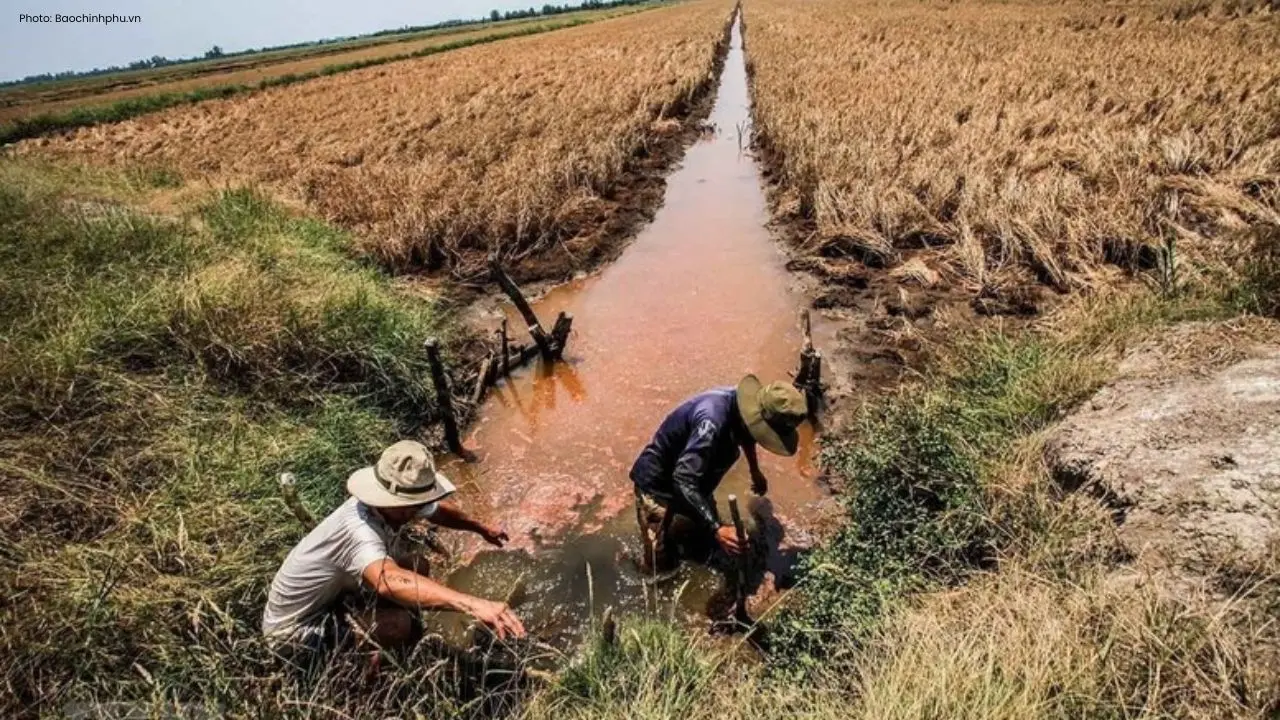
The Mekong Delta is experiencing an increasing threat from saltwater intrusion as the flow of the Mekong River diminishes. Experts predict that conditions will deteriorate further throughout April and May 2026, raising alarms regarding the impacts on agriculture and freshwater supplies.
As reported by the National Center for Hydro-Meteorological Forecasting, saltwater has infiltrated inland areas, with salinity levels advancing up to 55 kilometers in certain regions and even reaching 70 kilometers along specific river systems. Although this year's situation may not be as severe as past extremes, local communities are advised to stay vigilant.
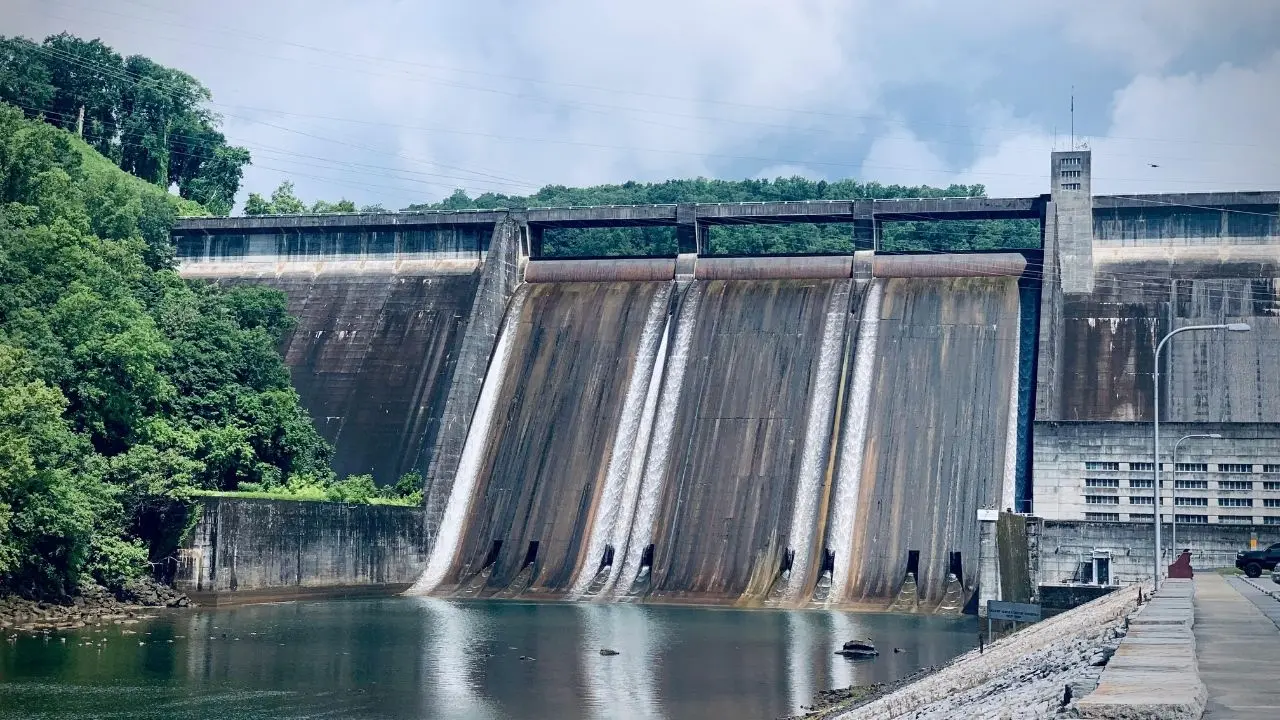
In response, the government has rolled out various preventive initiatives, such as enhancing irrigation systems and water management frameworks to mitigate salinity and safeguard freshwater sources. Reservoir capacities remain relatively stable, aiding agricultural efforts, but proactive planning is essential.
Experts advocate for a holistic strategy that includes crop diversification, water conservation measures, and ongoing weather monitoring. Additionally, rising tidal levels and potential flooding could exacerbate challenges in coastal regions, necessitating joint efforts to lessen risks and protect local livelihoods.