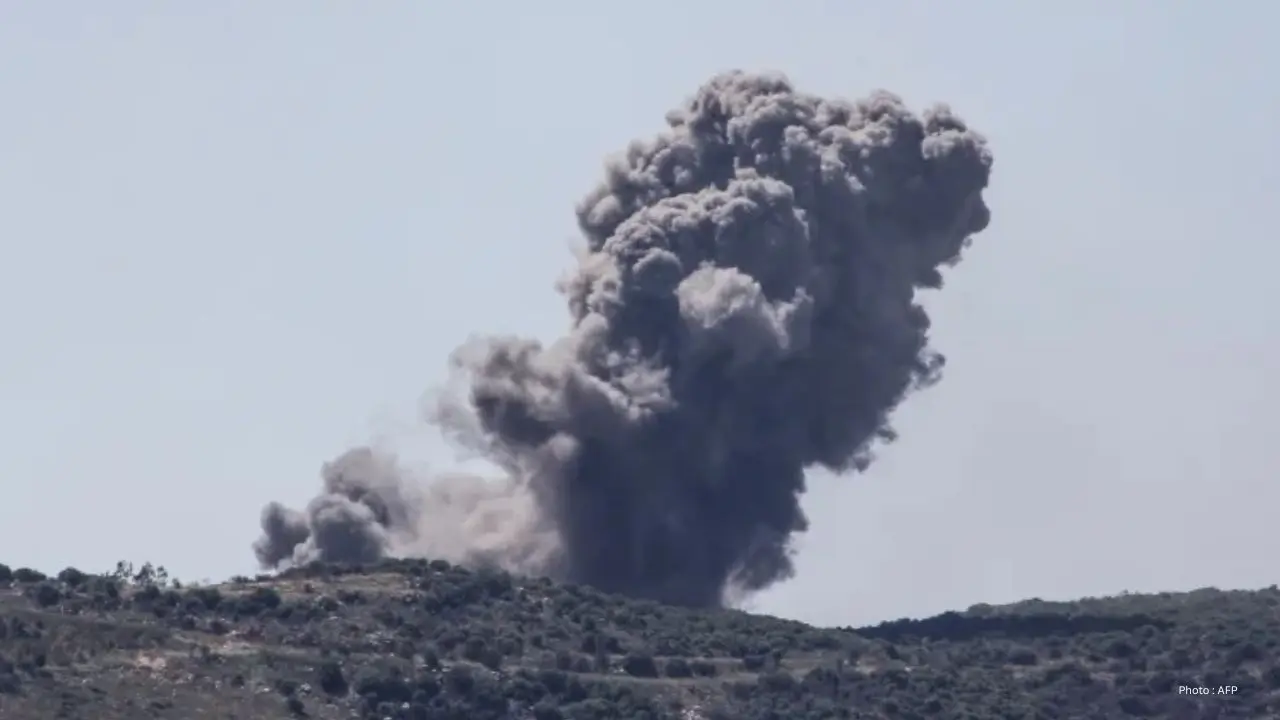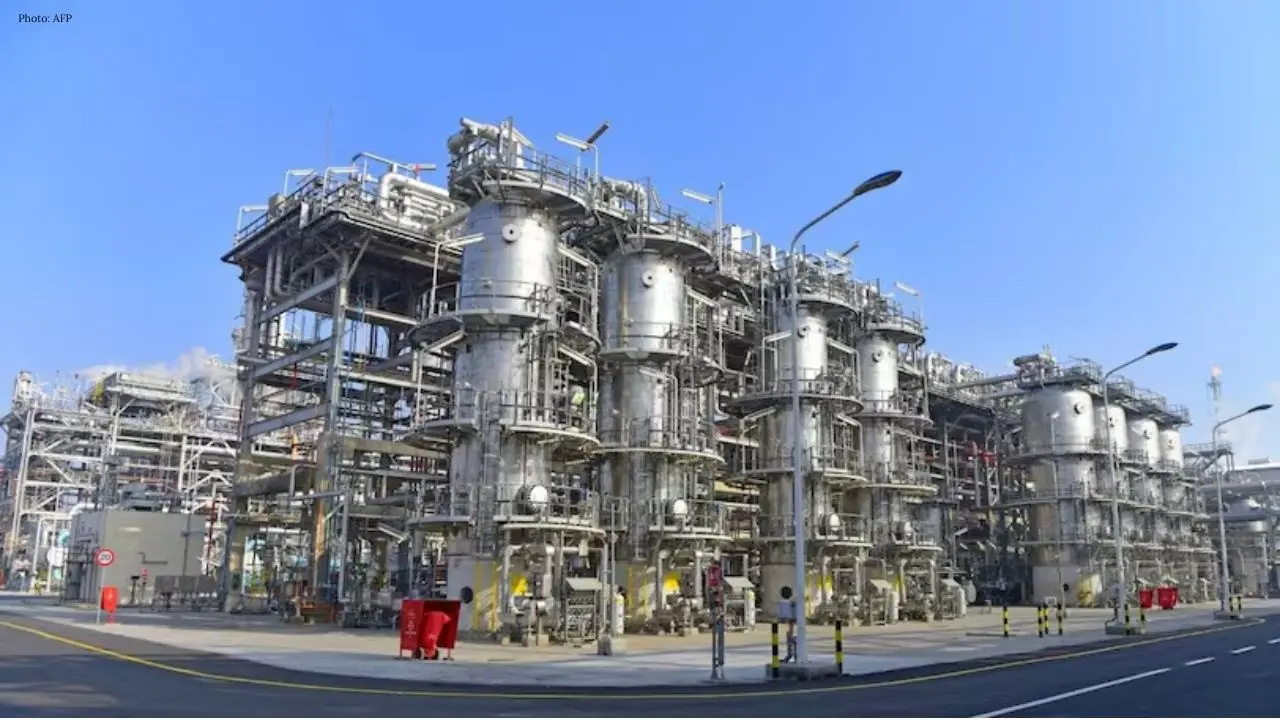
In a striking incident early Friday, a drone assault hit Kuwait’s renowned oil facility, the Mina al-Ahmadi Refinery, igniting fires across multiple operational sections and sending thick smoke billowing into the atmosphere. This event underlines escalating security challenges related to vital energy infrastructure within the Gulf, a region facing heightened geopolitical strife.
Kuwait Petroleum Corporation reported that emergency teams responded promptly to manage the situation, quickly extinguishing the flames and averting a potential industrial emergency. The rapid efforts of the firefighting units were crucial in ensuring that the blaze did not extend to adjacent areas. Officials indicated that there were no reported injuries among the refinery's staff.
The identity of the perpetrators remains unknown, with no claims of responsibility issued. A thorough inquiry has been initiated by security agencies to investigate the drones' origins and to ascertain if the strike signifies a wider plot to hinder oil production in the region. Analysts suggest that such actions may reflect an increase in instability linked to ongoing conflicts within several Middle Eastern nations.
Considered one of the cornerstones of Kuwait’s oil processing, the Mina al-Ahmadi Refinery is crucial for the nation's crude output and export capacity. Even a transient interruption to its functions could ripple through global energy markets and influence oil prices. Officials have provided assurances that operations are being stabilized and production is anticipated to normalize shortly.
This drone strike contributes to a troubling pattern of assaults on energy infrastructure across the region, raising concerns among global stakeholders about the security of oil supply routes. Experts fear that recurring disruptions could affect worldwide fuel supply and escalate volatility in energy markets.
In light of this incident, Kuwaiti authorities have announced plans to bolster security measures at critical oil installations. Enhancements to surveillance technology, air defense systems, and emergency readiness protocols are anticipated to be implemented to preempt future assaults and ensure continuity in energy production.