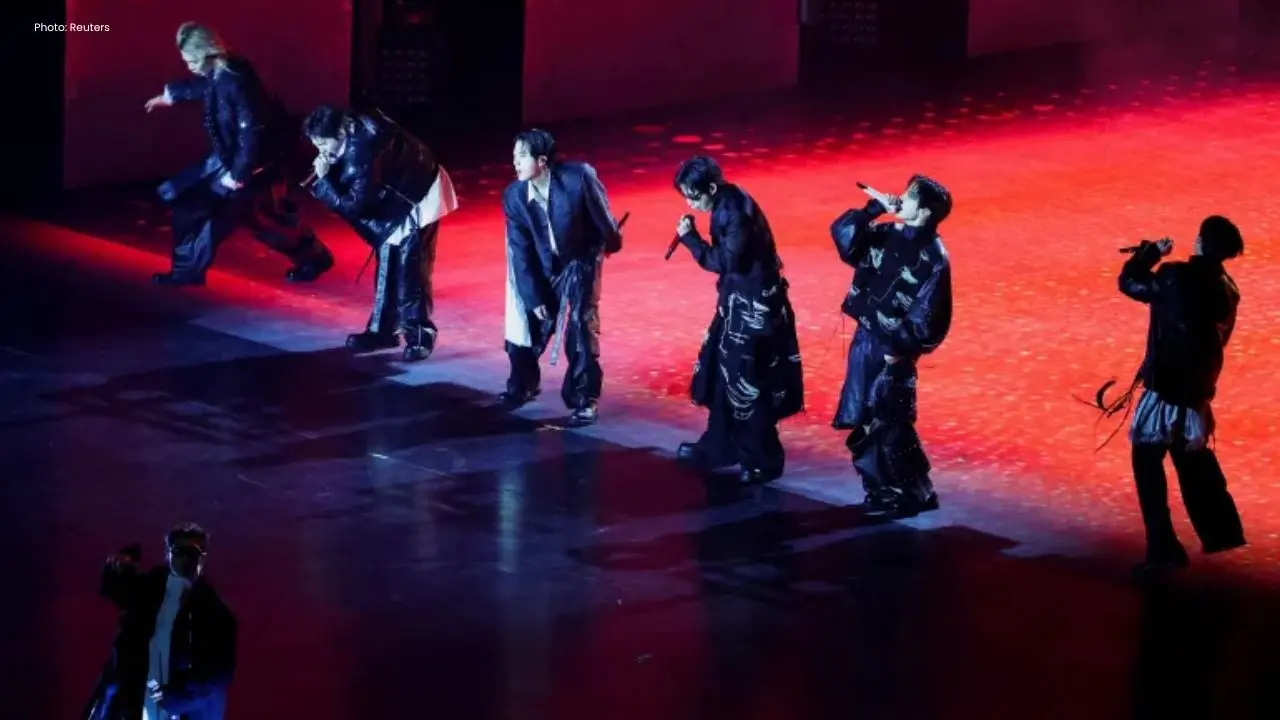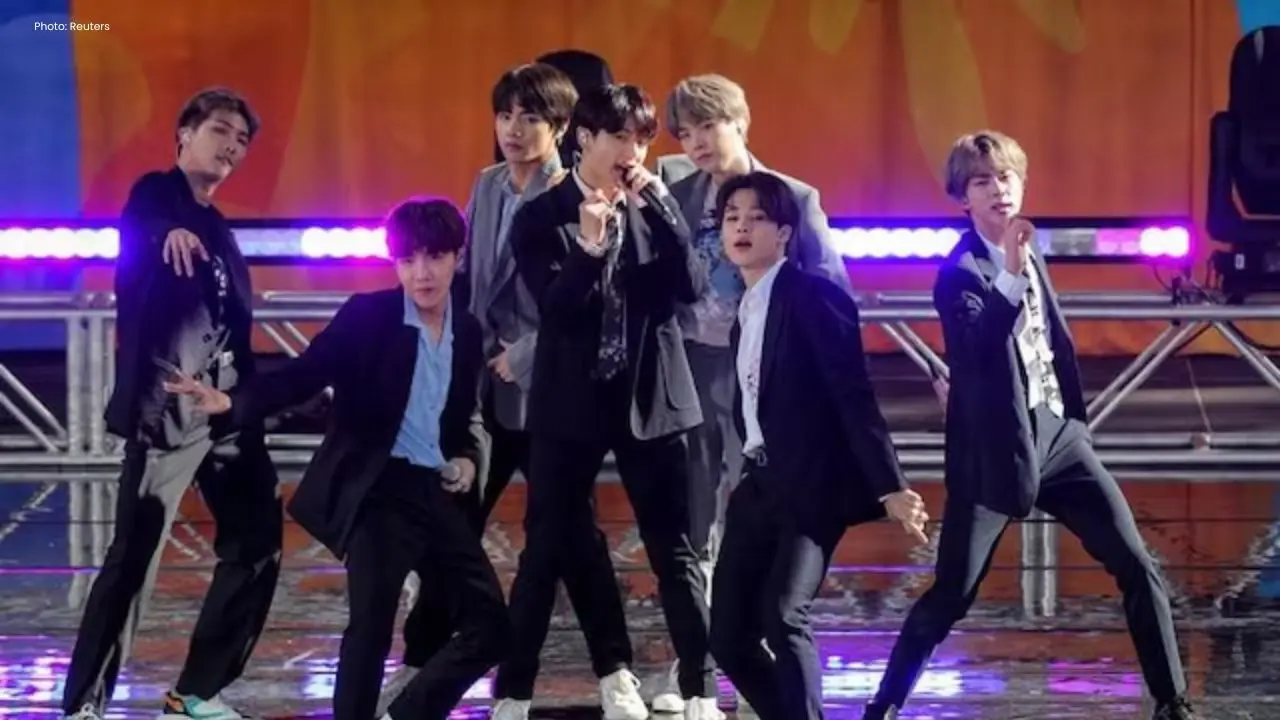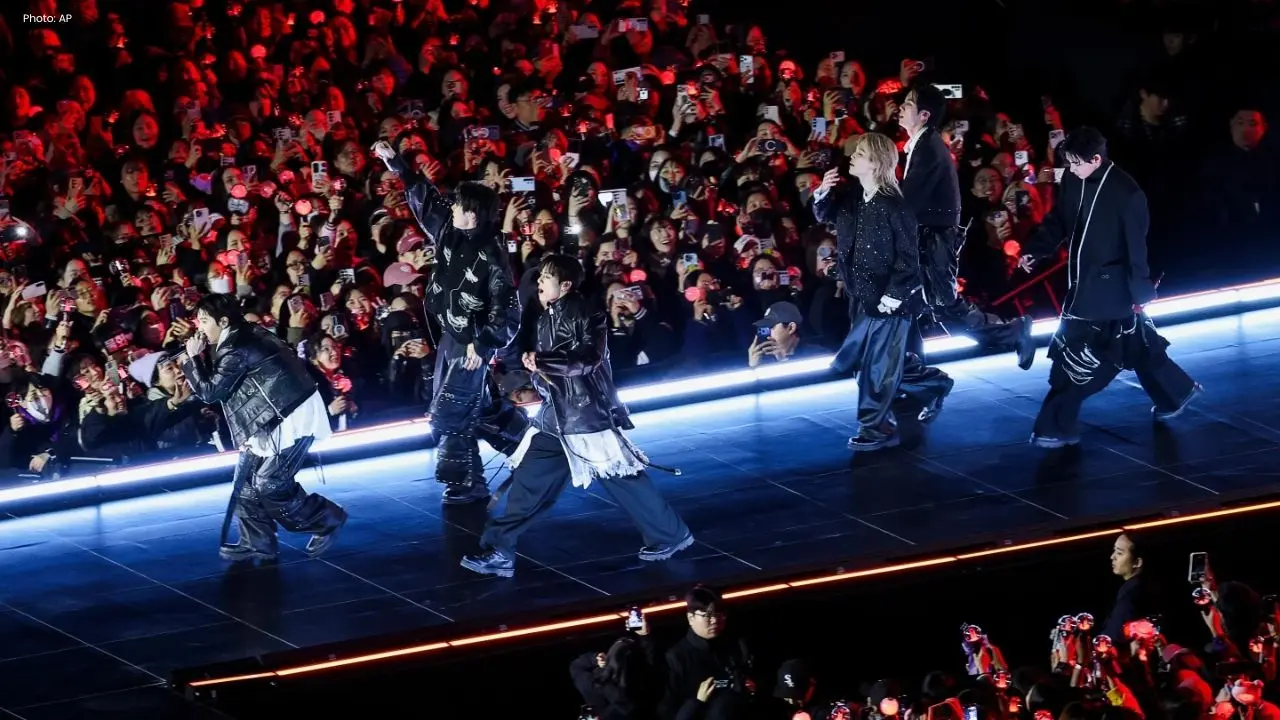
The unofficial restrictions on South Korean pop culture in China continue to reshape the significant K-pop landscape, prompting major groups like BTS to avoid including China in their world tours, despite their vast following there.
These limitations trace back to 2016, in response to South Korea's decision to implement the THAAD missile defense system. Following this, China imposed significant barriers on the import of Korean entertainment including music, dramas, and films, leading to a notable decline in cultural exchange.
Although there isn’t an official ban, the existing constraints have lasted for almost a decade. Experts indicate that aside from geopolitical motives, China’s fears focus on the overwhelming popularity of K-pop and its sway over younger generations.
While some older content and performances by artists with non-Korean members have limited access, the major concerts and fresh releases are still heavily restricted. Fans frequently venture abroad, particularly to Seoul, to catch live shows.
China’s strategy highlights broader attempts to bolster its domestic cultural sector while controlling foreign cultural narratives. Authorities have also implemented regulations on entertainment trends, targeting specific content types.
These enduring restrictions have driven South Korean entertainment firms to adapt their global strategies, now focusing substantially on alternative markets like Japan and North America, thereby reducing their dependence on China.
While there have been talks of loosening these restrictions with improved diplomatic ties, analysts anticipate that any change will be gradual. For the time being, the K-pop predicament continues to influence cultural and entertainment interactions throughout Asia.