In a powerful and emotional gesture, an Iranian delegation traveling for high-stakes negotiations with the United States chose a flight deeply tied to one of the most tragic incidents of the ongoing conflict.
The aircraft, named “Minab-168,” commemorates the 168 victims—mostly schoolchildren—killed in a devastating missile strike on a girls’ school in Minab, Iran, on February 28. The attack destroyed the Shajareh Tayyebeh elementary school and remains one of the deadliest episodes in the early phase of the war.
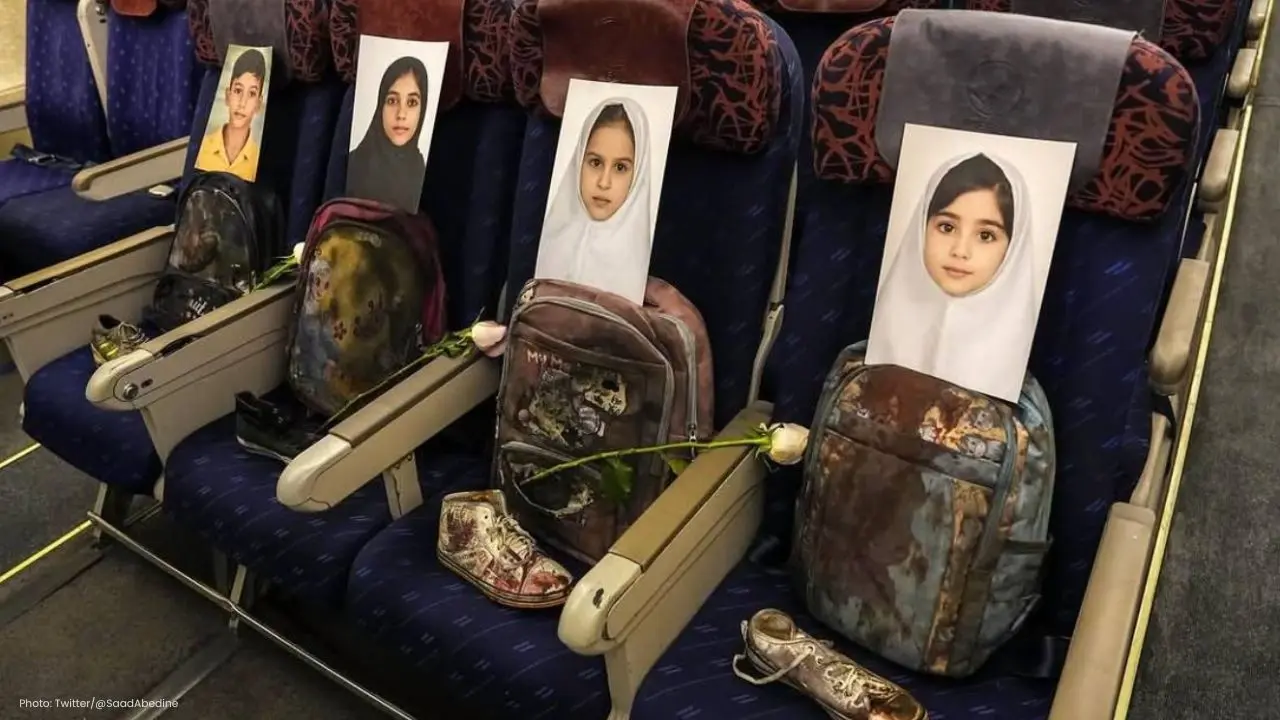
Upon arriving in Islamabad, Iran’s Parliament Speaker Mohammad-Bagher Ghalibaf shared a poignant image from inside the aircraft. The photo showed seats adorned with pictures of four children, accompanied by school bags and flowers. In a brief caption, he referred to them as “my companions on this flight,” underscoring the symbolic weight of the journey.
Conflicting Claims Over the Attack
Iranian authorities have held US forces responsible for the Minab strike. However, American officials have suggested the possibility of an accidental hit. US Defense Secretary Pete Hegseth confirmed that an investigation into the incident is currently underway.
Diplomatic Talks Amid Rising Tensions
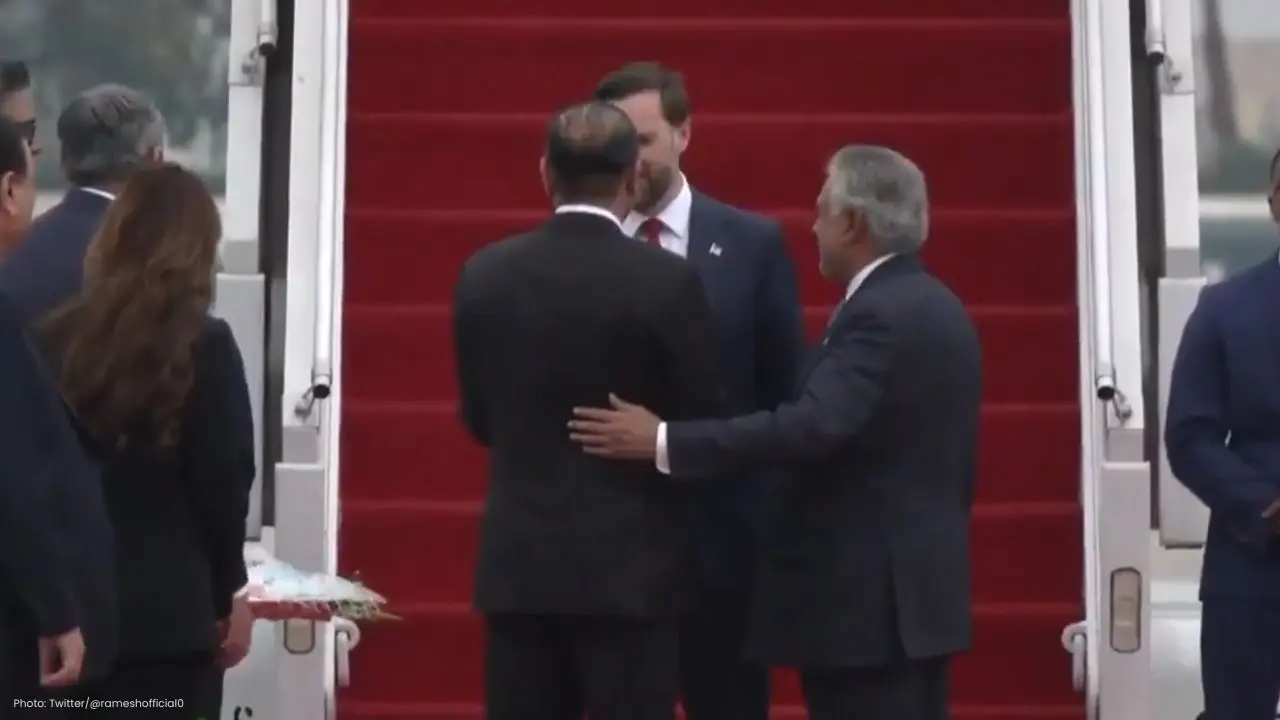
Meanwhile, a US delegation led by Vice President JD Vance has also arrived in Islamabad for weekend discussions. The talks come at a time of continued mistrust, with both sides accusing each other of violating commitments linked to a recently announced ceasefire.
Washington officials remain cautious, expressing skepticism about any immediate breakthrough—especially regarding the reopening of the strategically vital Strait of Hormuz. Iranian negotiators, on the other hand, have emphasized that progress will depend on broader guarantees, including sanctions relief and regional stability issues such as Lebanon.
Conflict Impact and Global Concerns
The conflict, which began in late February, has significantly weakened Iran but not eliminated its ability to strike regional targets or disrupt key shipping routes. The war has also sent shockwaves through global energy markets, affecting Gulf production, increasing inflation risks, and raising concerns over food shortages and a potential economic slowdown.
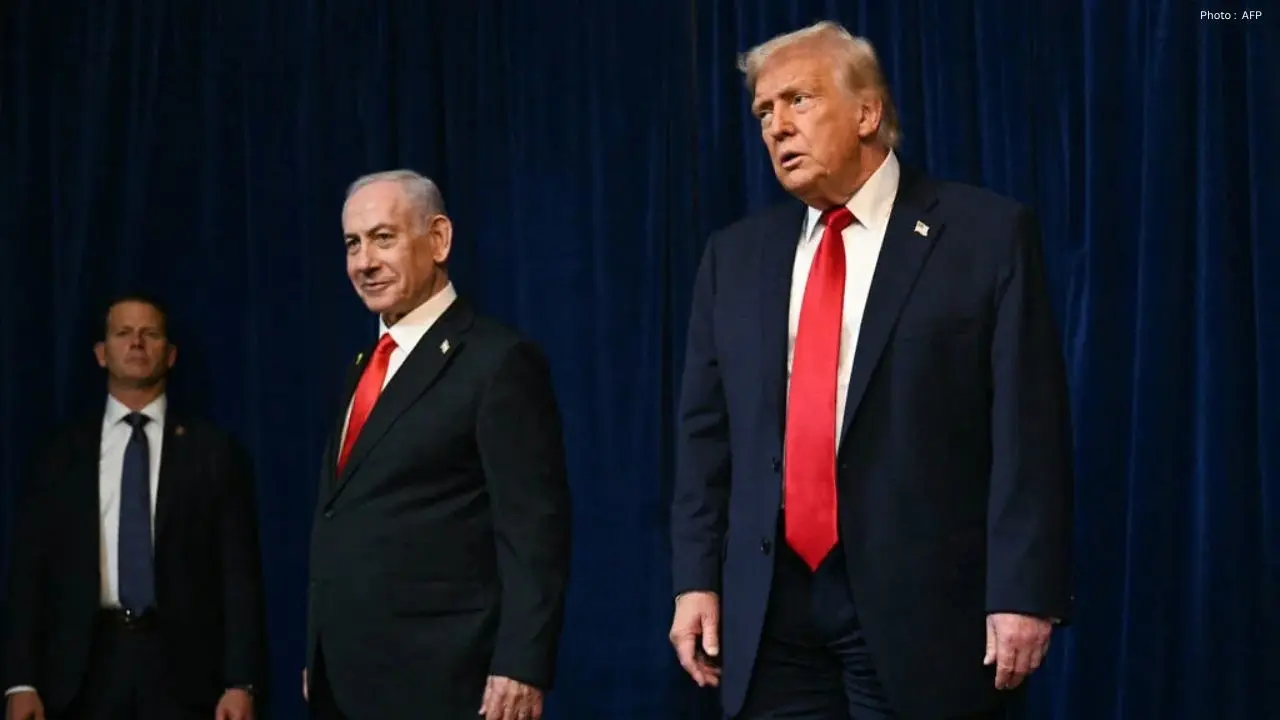
Earlier this week, US President Donald Trump announced a ceasefire just hours before a critical deadline, warning of severe escalation if hostilities continued. Despite this, tensions remain high, and the outcome of the current talks is uncertain.