Photo : X / Money Wellness
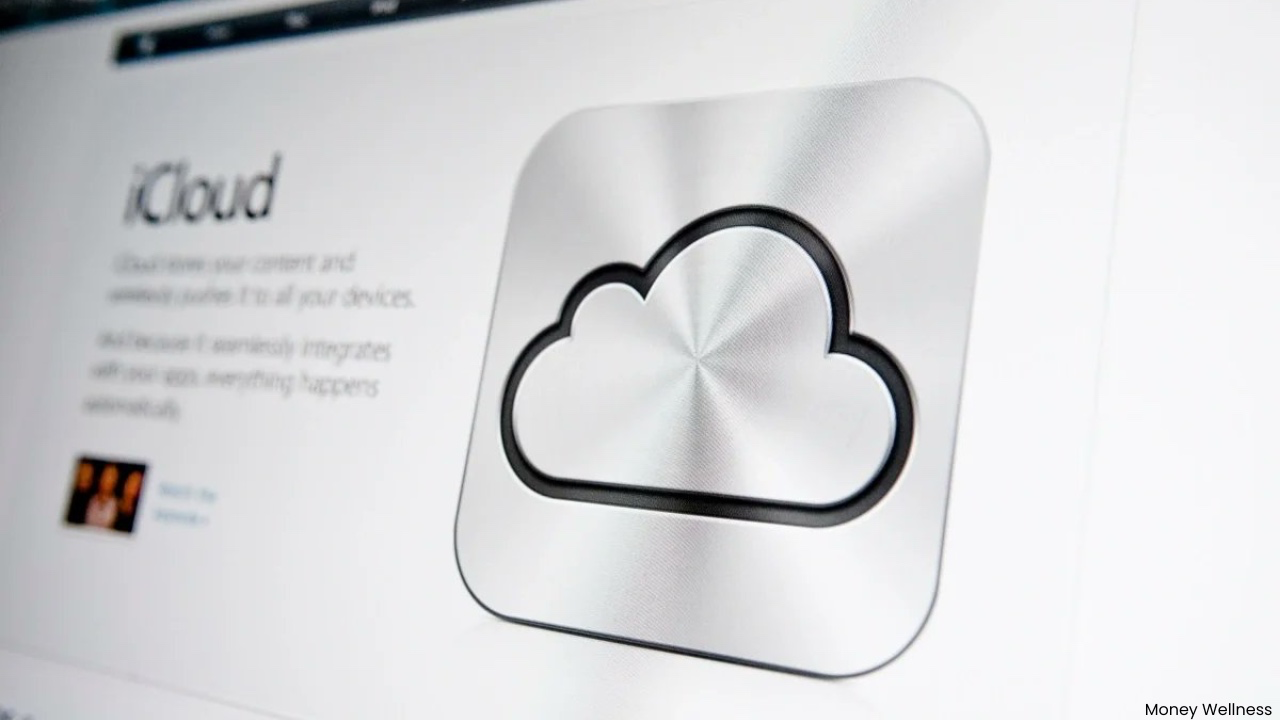
iPhone users are on high alert as a new phishing scheme threatens their personal data. This sophisticated scam utilizes fake iCloud alerts to instill fear and urgency, which are crucial tactics for cybercriminals. In today’s world, where smartphones house vital information and cherished memories, such scams represent a significant breach of user trust and security.
The fraudulent campaign disseminates messages that mimic official communications from Apple, falsely claiming that users' iCloud storage is at risk or about to be erased. These alerts often contain links that lead to counterfeit login pages, designed to look like Apple’s authentic interface. When users input their details, attackers can seize access to accounts, exposing sensitive data including photos and financial information. The danger of this scam lies in its refined approach, employing realistic design traits and manipulative psychological elements to ensnare even the most cautious users. This evolution in cybercrime illustrates a disturbing trend, where attackers rely on targeted and emotionally charged strategies instead of rough, crude techniques.
Apple's ecosystem, traditionally recognized for its strong security measures, has unfortunately become appealing to cybercriminals due to its vast user base and the valuable data stored within it. Phishing schemes like this don't simply exploit system flaws; they prey upon human behaviors. By fostering fear and urgency, these attacks can bypass sophisticated security measures. This underscores a critical aspect of today’s cybersecurity landscape: often the weakest link is not the technology, but the user. As reliance on digital platforms mounts, so does the complexity of threats, emphasizing the importance of ongoing vigilance and education in cybersecurity.
The repercussions of such scams extend well beyond individual users to sectors that depend on secure digital frameworks. Areas ranging from smart transportation to connected services face significant risks when data integrity is compromised. In environments where mobile applications are pivotal for navigation and real-time communication, breaches can lead to systemic vulnerabilities. Consequently, cybersecurity becomes a strategic priority for industries leveraging digital innovations. The resurgence of phishing threats underscores the urgent need for investment in security awareness, advanced detection frameworks, and robust authentication methods across all digital platforms.
With the rise of this phishing initiative, experts recommend that users adopt a more cautious stance towards their digital interactions. Verifying message authenticity, steering clear of dubious links, and enabling two-factor authentication are crucial steps to mitigate potential risks. Understanding the communication methods of legitimate companies is equally vital; for instance, Apple never sends urgent requests for sensitive information through unsolicited notifications, a key fact that can help users differentiate genuine messages from fraudulent ones. As cyber threats evolve, this proactive mindset is increasingly necessary, urging users to remain knowledgeable and alert.
The appearance of this iCloud phishing scam serves as a stark reminder that the quest for digital security is far from resolved. As technologies advance, so too will the tactics employed by cybercriminals, presenting constant challenges for users and organizations alike. For the global digital framework, particularly in critical sectors like transport and smart infrastructure, maintaining trust in digital systems is essential, as any disruption can lead to severe ramifications. Ultimately, this isn’t merely a phishing scam; it's a clarion call for a world increasingly dictated by digital connectivity. The pressing question remains: how prepared are we to counteract the inevitable evolution of cyber threats?