How Remote Work Is Changing Urban Planning Around the World
The global shift to remote work, accelerated by the COVID-19 pandemic, has not only transformed workplaces but is also reshaping cities and urban planning. As companies embrace hybrid models and employees prioritize flexibility, urban planners, developers, and governments are rethinking city layouts, infrastructure, and public spaces. The rise of remote work is influencing everything from residential patterns to transportation systems, and even local economies.
This article explores how remote work is changing urban planning worldwide and what the future might look like for cities.
1. Residential Shifts: From City Centers to Suburbs and Beyond
One of the most significant impacts of remote work is migration patterns:
-
Urban Exodus: Many employees are moving away from crowded city centers to suburbs, smaller towns, or even rural areas where living costs are lower and quality of life is higher.
-
Flexible Housing Designs: Developers are designing homes with dedicated home offices, co-working spaces, and high-speed internet connectivity.
-
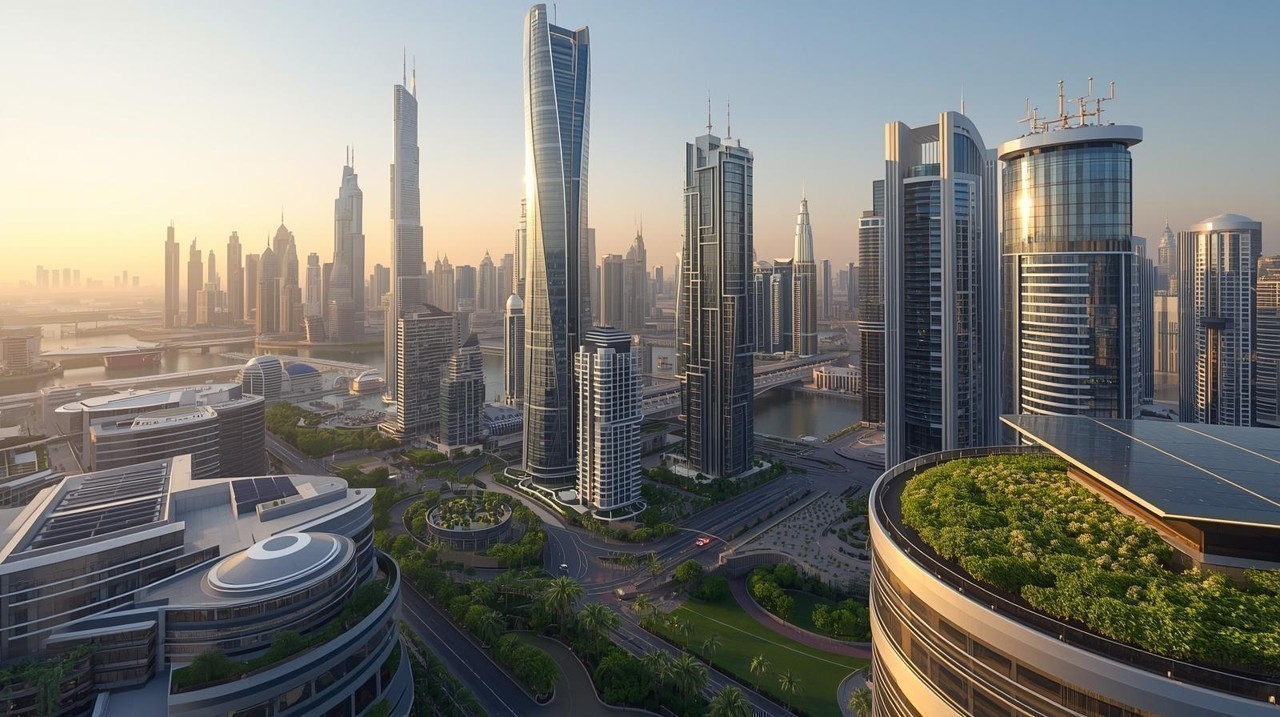
Mixed-Use Communities: There is a growing demand for communities that combine residential, leisure, and commercial spaces, minimizing the need to commute.
Cities like San Francisco, New York, and London have seen rising suburban real estate demand, while smaller towns experience population growth due to remote workers relocating.
2. Reimagining Office Spaces
Remote work has reduced the need for traditional office spaces, prompting innovative urban design strategies:
-
Flexible Workspaces: Companies are shifting to smaller headquarters with co-working hubs and shared spaces.
-
Repurposing Buildings: Vacant office buildings are being converted into residential units, community centers, or tech hubs.
-
Green and Collaborative Spaces: Offices are being redesigned to foster creativity, collaboration, and employee well-being, rather than just housing large teams.
Urban planners are incorporating multi-use zones to adapt city layouts to the changing nature of work.
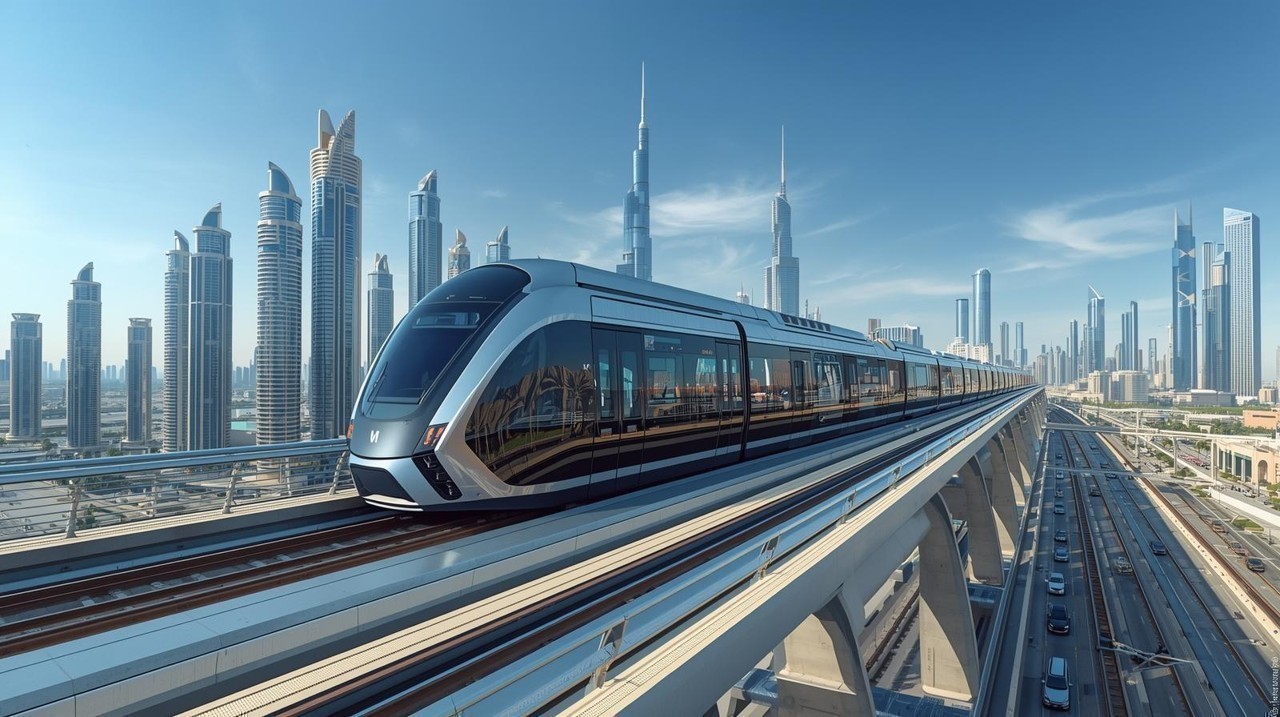
3. Transportation and Infrastructure Adjustments
With fewer daily commuters, cities are rethinking transportation systems:
-
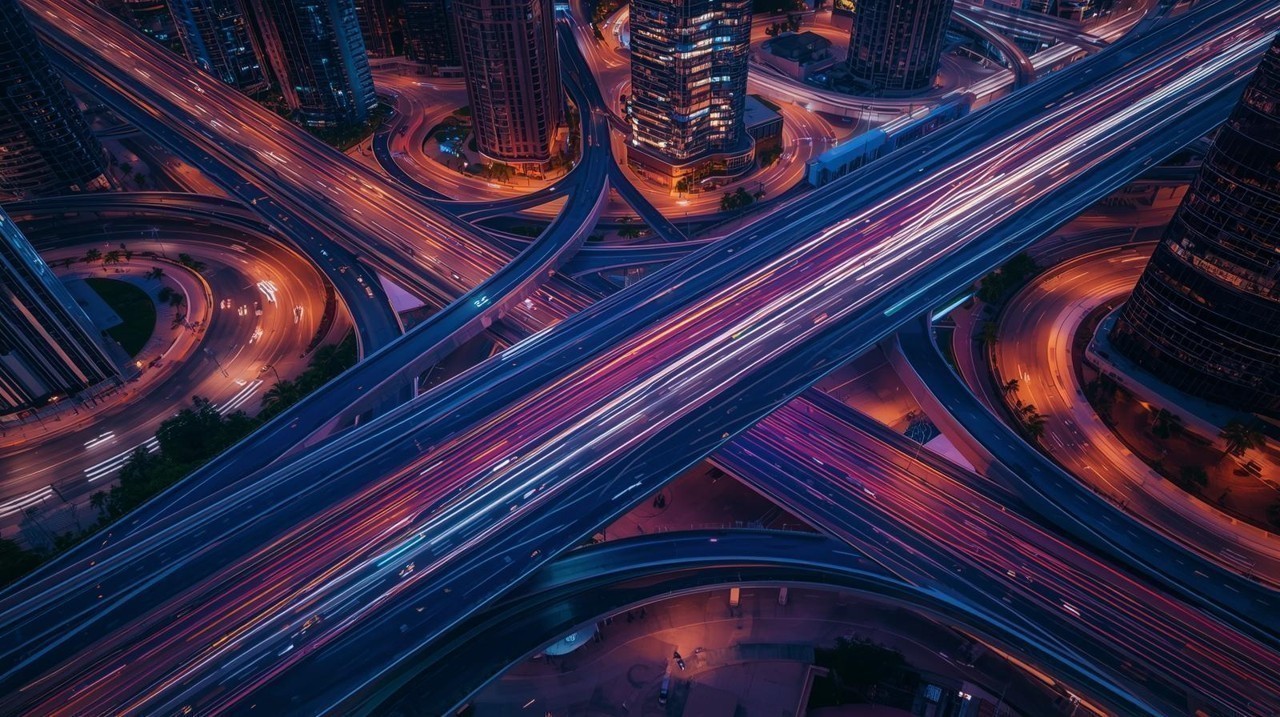
Reduced Peak Traffic: Public transport and road congestion have decreased in major cities.
-
Enhanced Cycling and Walking Infrastructure: Cities like Copenhagen, Amsterdam, and Paris are expanding bike lanes and pedestrian-friendly streets.
-
Smart Mobility Solutions: Investments in digital infrastructure, such as apps for traffic management and ride-sharing, are becoming more critical than expanding roads.
Remote work reduces the strain on traditional infrastructure while encouraging sustainable mobility solutions.
4. Impact on Local Economies
Remote work also affects urban economies:
-
Downtown Businesses: Restaurants, cafes, and retail stores in city centers see fluctuating demand as office attendance drops.
-
Emerging Local Hubs: Suburban towns and smaller cities benefit economically as remote workers spend more locally.
-
Diversified Commercial Spaces: Urban planners are promoting a mix of residential, retail, and recreational areas to maintain vibrant local economies.
These economic shifts are forcing cities to rethink how they support both residents and businesses.
5. Sustainability and Smart City Planning
Remote work contributes to sustainability goals and encourages smarter urban planning:
-
Reduced Carbon Footprint: Fewer daily commutes mean lower emissions.
-
Decentralized Services: Governments are investing in broadband, telemedicine, and digital education to support remote populations.
-
Green Urban Spaces: Parks, community gardens, and open areas are becoming central to city planning to enhance residents’ quality of life.
Planners are integrating technology and environmental considerations into urban development strategies to create resilient cities.
6. Global Examples of Adaptive Urban Planning
-
United States: Cities like Austin and Denver are expanding suburbs and tech-enabled residential communities for remote workers.
-
Europe: Amsterdam and Copenhagen are transforming city streets to prioritize cycling and shared mobility.
-
Asia: Singapore and Seoul are integrating remote work hubs and smart infrastructure into urban zones.
-
Australia: Cities like Melbourne are promoting satellite offices and digital-first urban design.
These examples illustrate how flexibility, connectivity, and sustainability are central to modern urban planning.
7. The Future of Cities in a Remote Work Era
Remote work is likely to permanently influence urban planning:
-
Cities may evolve into hybrid ecosystems where living, working, and recreation coexist seamlessly.
-
Traditional central business districts might become cultural and recreational hubs rather than purely commercial zones.
-
Planners will prioritize digital connectivity, green spaces, and flexible infrastructure to accommodate a mobile workforce.
The future city will balance the needs of residents, businesses, and the environment, with remote work as a key driver.
Conclusion
Remote work has emerged as a transformative force for urban planning worldwide. From residential migration to office redesign, transportation, and sustainability, cities are adapting to a new era where flexibility and connectivity are paramount.
As governments and urban planners embrace these changes, the result will be smarter, greener, and more livable cities, designed to meet the evolving needs of the modern workforce. Remote work is not just changing how people work—it’s redefining how cities function, thrive, and grow.