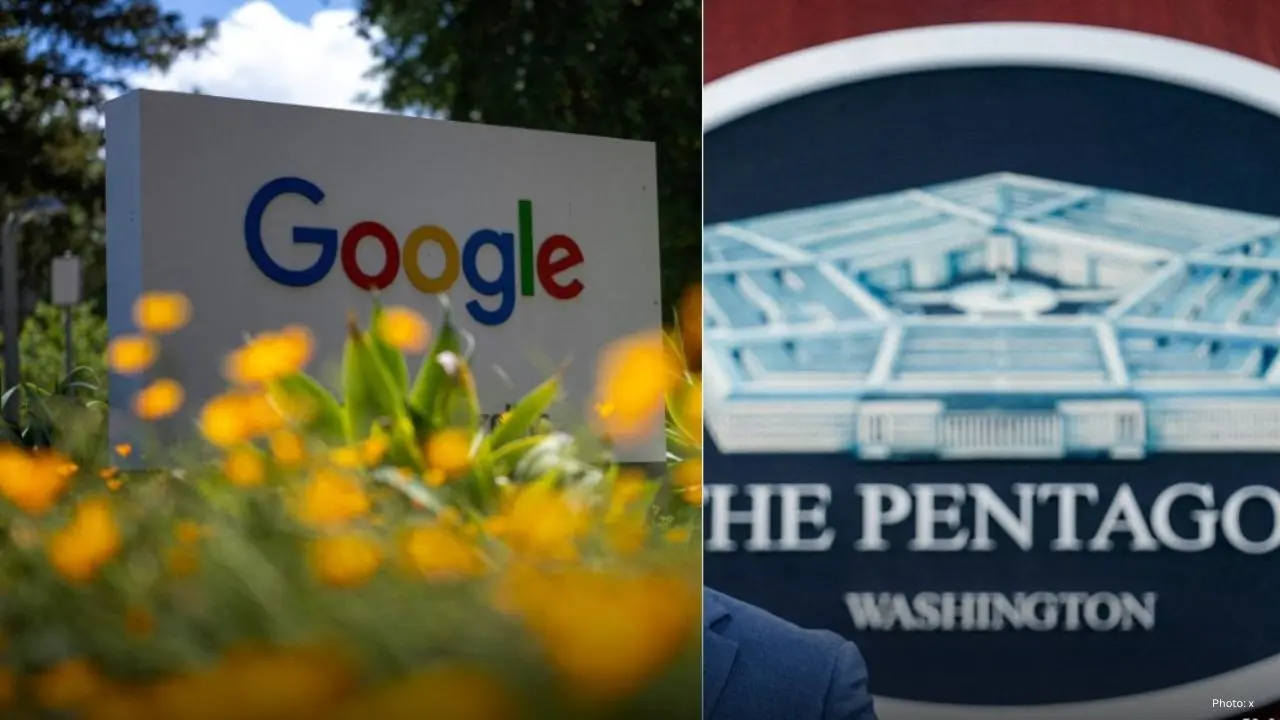
In a groundbreaking move, Google has finalized a classified agreement with the United States Department of Defense, paving the way for artificial intelligence to be utilized within national security frameworks. This partnership enables the Pentagon to leverage cutting-edge AI technologies developed by Google for strategic government initiatives.
The pact underscores the growing importance of artificial intelligence in contemporary defense methodologies. Nations are increasingly depending on tech firms to deliver robust solutions that rapidly process vast quantities of data and enhance decision-making capabilities. AI is anticipated to be instrumental in domains such as strategic planning and risk assessment, outpacing conventional methodologies.
However, the implications of this new alliance raise significant ethical and security concerns. AI systems wield substantial power and have the potential to shape decisions that could impact lives. This has sparked a vibrant debate on safety, accountability, and oversight.
Among the foremost concerns is the potential for misuse. If AI technologies aren't adequately managed, there's a risk they could be deployed in ways that exceed their original intent. Issues of surveillance, privacy, and the involvement of machines in sensitive operations are at the forefront of expert discussions. Many assert that explicit regulatory frameworks need to be established to mitigate these risks.
Transparency is another pressing concern. Due to the classified nature of the agreement, specifics remain largely under wraps. This lack of clarity breeds skepticism, as the public desires to know how technologies are employed, particularly in matters related to national security.
The collaboration between Google and the Pentagon reflects an evolving dynamic between private sector enterprises and government entities. Technology companies are progressively becoming vital players in shaping defense strategies, which brings both possibilities and responsibilities that must be carefully navigated.
Within the tech community, opinions differ on this collaboration. While some contend it’s essential for bolstering national security, others argue that companies should refrain from associating with military undertakings, especially involving sophisticated AI systems.
For the Pentagon, adopting artificial intelligence is viewed as a means to maintain a competitive edge in an ever-evolving global landscape. Countries worldwide are ramping up their investments in AI, emphasizing the urgency to remain at the forefront of technological advancements. AI is believed to enhance operational speed, precision, and efficiency across various military operations.
This scenario extends into broader global implications. With several nations developing AI for defense applications, the potential for heightened competition and geopolitical tensions looms large. Absent robust international norms, new challenges may surface in the realm of global security.
Experts agree that stringent oversight is paramount to navigate these complexities. Collaborative efforts between governments and corporations are crucial to ensure responsible AI usage, including setting effective boundaries that preserve human oversight.
Public confidence is indispensable in this context. Citizens must trust that technological innovations are employed in a judicious and equitable manner. Any uncertainties regarding misuse or diminished oversight can engender skepticism and unease.
The alliance between Google and the Pentagon serves as a potent illustration of technology's role in redefining security paradigms. It emphasizes the dual-edged sword of advanced systems, with both promising advantages and significant risks on the table.
The crux now lies in the execution and oversight of this collaboration. The outcomes will likely influence the future application of AI in defense strategies worldwide.
This development highlights the urgent need for prudent management and ethical utilization of technology as AI continues to evolve, seeking a harmonious balance between innovation and safety.