Across the globe, scientists are sounding the alarm that climate change is rapidly emerging as a perilous threat to plant life. While the focus of climate discussions typically highlights vulnerable animals such as polar bears and whales, recent studies indicate that plant species face an even greater extinction risk in the coming years. A significant international analysis published in the journal Science estimates that if global temperatures rise at their current rate, tens of thousands of plant species may vanish before this century concludes.
The research suggests that between 7% and 16% of plant species may find almost all of their natural habitats gone within the next 55 to 75 years. Estimates indicate that 35,000 to 50,000 plant species could become extinct under moderate climate change scenarios. Experts caution that this number could surge if carbon emissions continue to climb steeply in the future.
Directed by ecologist Xiaoli Dong from the University of California Davis, the study utilized sophisticated climate and biological modeling techniques to assess how global warming may influence approximately 18% of the world's recognized plant species. Millions of simulations were conducted to evaluate how plants might react as temperatures rise and climate patterns shift in various regions.
Previously, it was thought that many plant species would gradually migrate to cooler areas as temperatures increase. Seeds dispersed by wind, water, birds, or animals could lead plants to new habitats. However, the latest findings indicate that migration may not sufficiently protect many species from extinction. Dong noted that not only are plants failing to adapt quickly enough, but also essential environmental conditions for their survival may vanish due to climate factors.
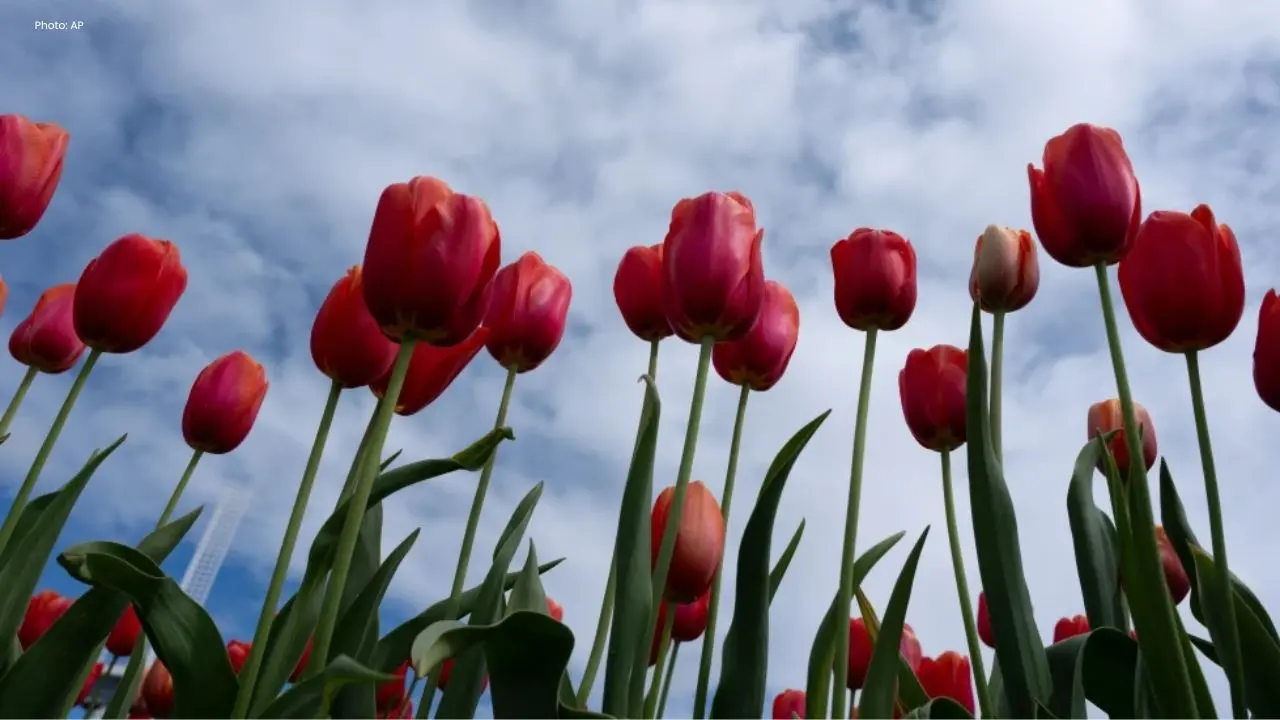
Using tulips as an illustrative case, researchers highlighted a pressing issue: these flowers necessitate specific soil quality, rainfall, and temperature to thrive. Climate change is disrupting this delicate equilibrium. As the ideal temperature migrates northward, rainfall patterns shift eastward, and soil conditions remain static, the suitable habitats for certain plants are dwindling and harder to locate.
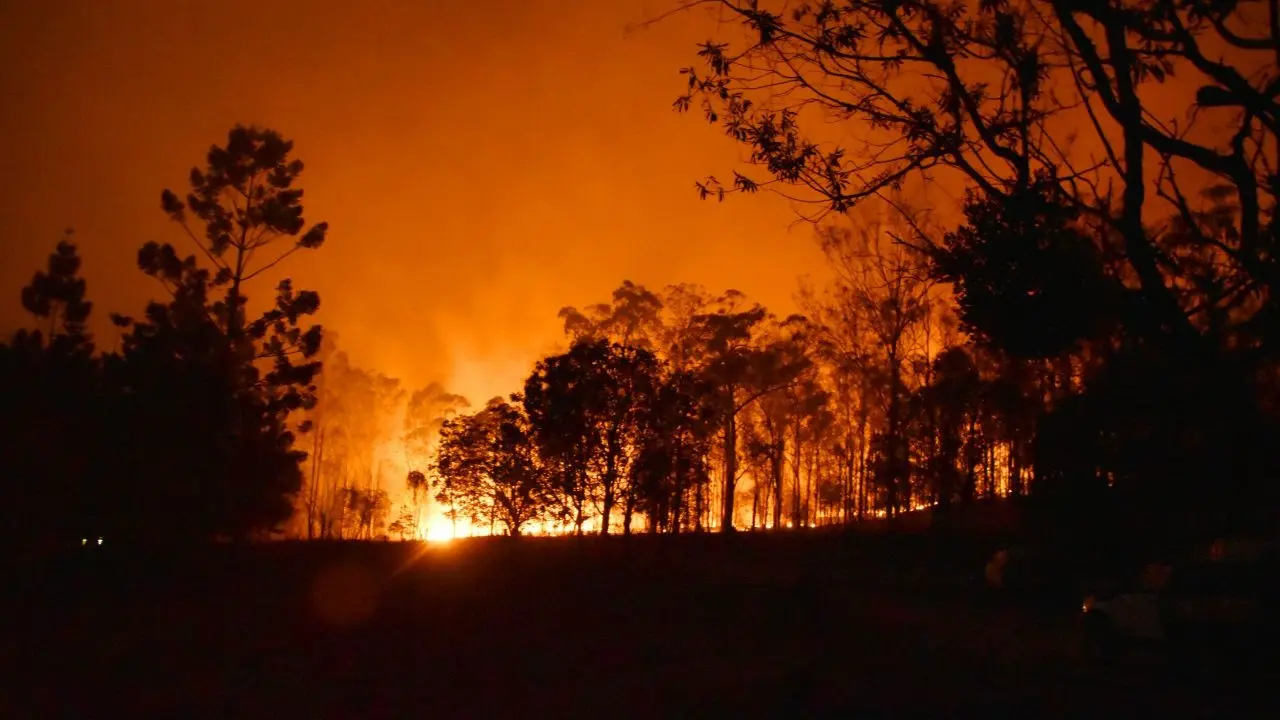
The report emphasizes that areas such as the Arctic, Mediterranean, and Australia are particularly vulnerable. Scientists note that the Arctic is warming nearly quadruple the global rate, placing immense pressure on sensitive plant ecosystems. In Australia, fluctuating rainfall patterns are becoming a primary driver of habitat loss for numerous native species.
A complementary study published alongside the climate report delved into flowering plants and their extinction threats. Researchers from Kew Gardens in the UK revealed that nearly 10,000 flowering plant species are already endangered. Many of these plants are evolutionarily unique, which means their extinction would erase an irreplaceable segment of Earth's biological heritage.
This study includes rare species like the titan arum, known as the world’s smelliest plant, and special orchids that produce natural vanilla. Some plants have no close relatives, making their eradication even more catastrophic for biodiversity. The ancient Ginkgo biloba tree was highlighted as a symbol of countless millennia of plant evolution.
Unfortunately, plant extinction tends to receive much less public attention compared to endangered animal species. Researchers argue that this oversight poses significant risks since plants are vital for ecosystems and human survival, supplying oxygen, food, medicine, and materials integral to daily life. Experts assert that if plant biodiversity continues to decline, it will ultimately jeopardize global food security, agricultural stability, and access to crucial natural resources. Environmental advocates are now urging for immediate international efforts to cut carbon emissions and bolster conservation initiatives before irreversible damage is done.