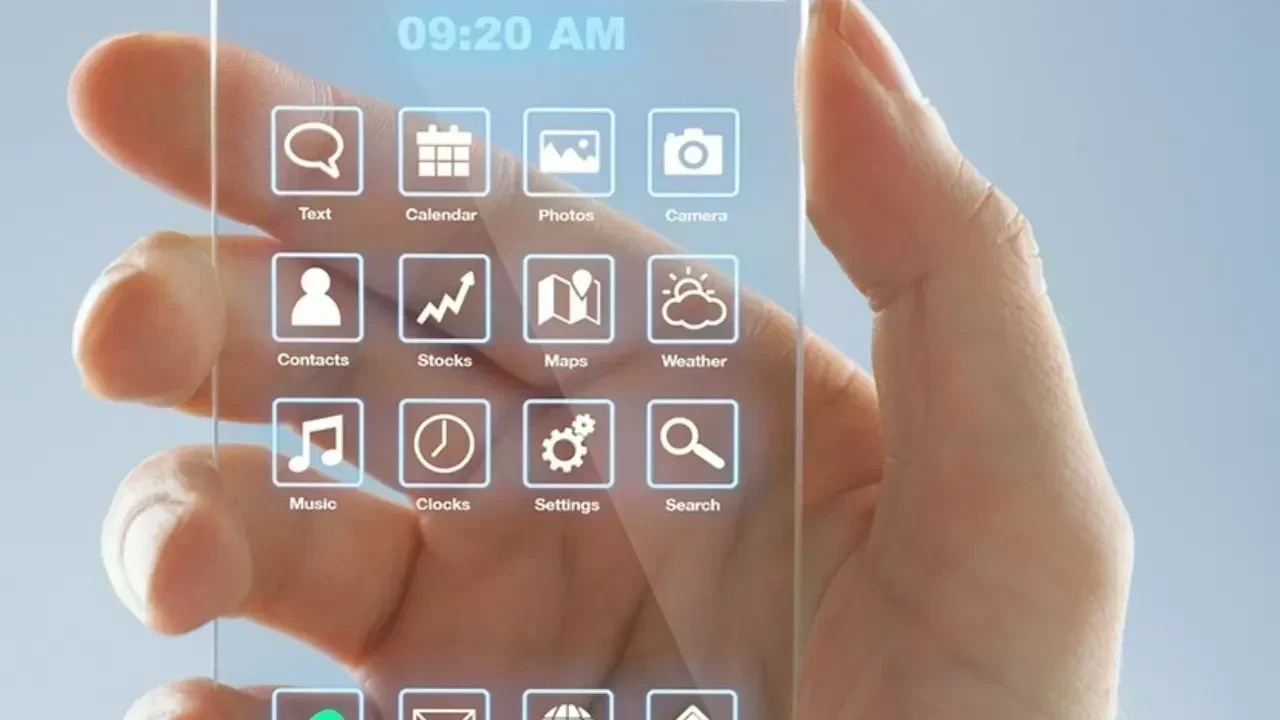
Smartphones: At the Limit of Innovation?
Smartphones have been the cornerstone of personal technology for years, acting as multifaceted tools—from cameras to wallets. Despite ongoing enhancements in camera quality, processing power, and display sharpness, the fundamental user experience has remained largely unchanged.
As people check their phones extensively—often hundreds of times per day—the emergence of screen fatigue, privacy issues, and mental wellness discussions prompt many to seek alternatives. Additionally, rapid technological advancements are paving the way for interactions that don’t require heirs to the smartphone form factor.
Rather than a single extraordinary replacement arriving next decade, smartphones may gradually diminish in significance as revolutionary technologies supplant their conventional functions, potentially relegating them to secondary roles.
The Vulnerability of Smartphones
Smartphones became successful through the amalgamation of various tools into a compact device. However, their very versatility has now turned into a limitation. Users increasingly desire technology that feels more intuitive and seamlessly integrates into their everyday routines.
The need for visual engagement with touchscreens, the dispersing impact of notifications, and the physical constraints of devices clash with a trend toward more automated and ambient interactions.
Replacement doesn't imply erasure; it's about evolution. Much like laptops coexisted alongside smartphones, the latter may continue to exist but without their former preeminence.
Augmented Reality and Smart Eyewear
Augmented reality (AR) eyewear is considered a leading candidate as the successor to smartphones. Smart glasses could enable users to visualize digital data in the real world, alleviating the need for constant screen focus.
Imagine navigation cues appearing directly in your line of sight or receiving messages unobtrusively at the peripheral. This advancement holds the potential to facilitate calls, translations, reminders, and more without needing to reach for your phone.
Although early iterations faced hurdles like bulky designs and privacy issues, swift technological advancements point to smart glasses becoming both functional and socially acceptable within the next ten years, potentially shifting the role of smartphones to that of behind-the-scenes processors.
Next Generation Wearable AI Devices
Another intriguing area is wearable AI gadgets—devices that engage with users through voice recognition and real-time awareness, moving away from the traditional touchscreen experience.
These devices may manifest as clips or rings, responsive to natural queries and commands. For instance, rather than flipping through a calendar app, the device could remind you about traffic and suggest an earlier departure time.
This represents a shift from an app-centric to an intent-driven approach—focusing on anticipating user needs rather than merely responding.
Voice Control and Screens' Declining Role
The advancement of voice technology has been remarkable. Enhanced speech recognition and natural language understanding are pillars of improvement, making interactions more intuitive.
In the forthcoming decade, voice could emerge as a primary interface. People already converse with smart assistants, yet the future holds potential for these systems to be more context-aware, respecting privacy while managing complicated tasks efficiently.
This evolution promises to diminish reliance on screens, with users instead hearing notifications as audio summaries instead of reading them. Paired with wearables, voice-driven systems may dramatically lower screen engagement.
Brain-Computer Interaction: The Game-Changer Ahead
The concept of brain-computer interfaces (BCIs) represents one of the most futuristic possibilities, translating neural signals into digital commands.
Theoretically, users could manage devices, send messages, or gather data merely through thought. Early BCIs exist for medical aid but commercial applications remain years off due to ethical and technical challenges. Nevertheless, even modest advancements could redefine our connections with technology.
Spatial Computing: Merging Physical and Digital
Spatial computing, which combines digital and physical realms, could replace screens with virtual displays embedded in our surroundings.
In this world, users might interact with floating graphs or engage in immersive media experiences, transforming entire rooms into user interfaces responsive to gestures and presence.
In this context, smartphones could become less essential—not through obsolescence but as part of a larger ecosystem of interconnected experiences.
Ambient Computing: Integration Without Intrusion
The dramatic shift toward ambient computing will see technology seamlessly blending into daily life, responding autonomously to user needs.
Imagine lights adjusting naturally to mood or health monitoring systems performing consistently without user intervention. In this future, smartphones lose their position as central command units, with intelligence shared across systems and settings.
The AI Backbone of Future Devices
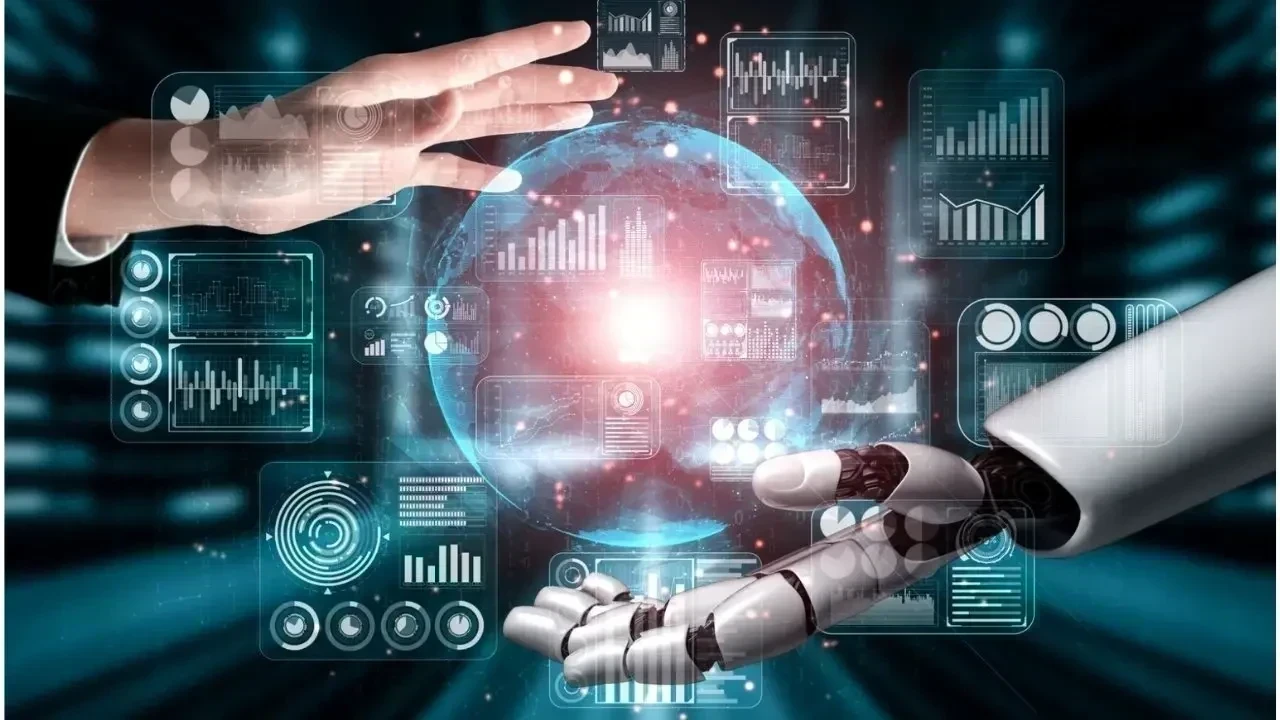
AI underpins every possible replacement option, acting as the glue connecting devices to user contexts and requirements.
The upcoming decade will witness a shift in AI capabilities from reactive to proactive, anticipating user needs instead of merely reacting—reducing the necessity for constant checking on smartphones.
A Fragmented Future of Device Interactions
Despite speculative forecasts, a single device supplanting smartphones seems improbable. Instead, devices will evolve into specialized tools serving unique purposes.
Wearables may cater to health needs, voice controls might manage engagement, and environmental systems could execute automation, while smartphones could remain as powerful portable processors without being the sole interface.
Challenges Ahead
The transition faces significant obstacles, particularly privacy concerns about always-active technology. Social adaptability is vital; people often resist what feels intrusive or uncomfortable.
Other challenges like battery longevity, pricing, and accessibility are critical as smartphones found success through affordability and familiarity. Future replacements must deliver evident advantages while minimizing frustrations.
Shifting User Expectations
Ultimately, technology doesn’t transition without user involvement. The success of devices succeeding smartphones hinges on cultural acceptance.
Younger demographics are already exhibiting different interaction preferences—favoring voice and immersive elements, shaping future work cultures and engagement styles.
A Glimpse of the 2035 Smartphone
Instead of vanishing entirely, smartphones might transform into unobtrusive companions—modular, possibly screen-less devices that function more like computational brains.
The future phone may spend significant time out of sight, covertly enhancing the capabilities of glasses, wearables, and environments.
The End of an Era or a New Beginning?
The forthcoming years won’t eliminate smartphones in a flash, but a gradual transition away from their dominance is expected.
As interactions become more integrated and intuitive, the smartphone’s prime position will likely wane—not through a singular replacement but by an evolving network of experiences.
The next phase transcends gadgets, aiming to minimize the friction between people and technology.
Disclaimer: This piece offers a forward-looking perspective based on existing tech trends and research. Actual outcomes may vary due to innovation, regulation, and societal behaviors.