What is Ekadashi Vrat Katha?
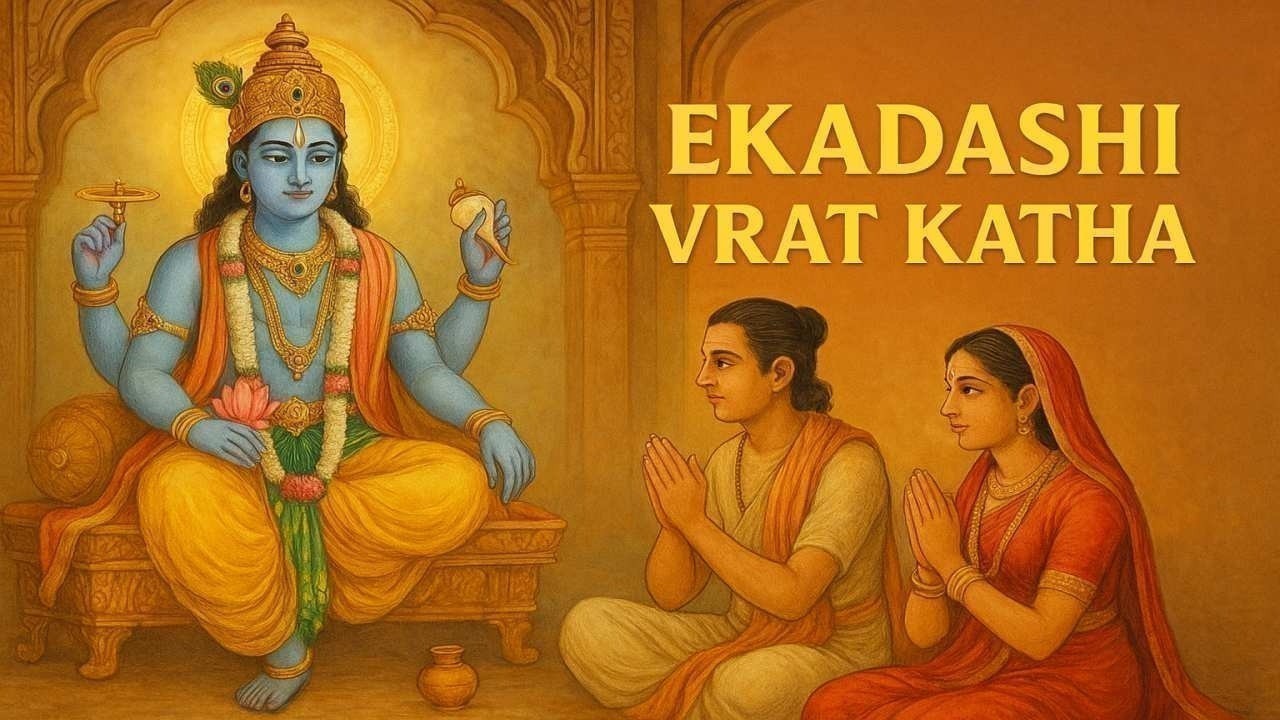
In Hindu tradition, Ekadashi marks the eleventh day of the lunar cycle — a spiritually significant time when devotees fast and engage in prayer to purify body and mind. The Ekadashi Vrat Katha refers to the sacred stories recited during these observances. These stories highlight the origin, purpose, and divine significance of fasting on Ekadashi, showing how faith and discipline can transform a person’s life.
More than a religious tale, the katha acts as a bridge between spiritual wisdom and daily living, guiding devotees to live mindfully and in harmony with divine principles.
The Deeper Meaning of Ekadashi and Its Importance
Ekadashi is not merely a day of abstaining from food; it is a symbolic expression of self-control and surrender to the divine. Each Ekadashi in the lunar calendar carries its own story, teaching moral values such as truth, patience, forgiveness, and compassion.
The observance encourages devotees to detach from material cravings and focus inward. By fasting and reading or listening to the Ekadashi Vrat Katha, individuals cultivate shraddha (faith) and niyam (discipline) — two pillars of a spiritually balanced life.
How the Ekadashi Vrat Katha Strengthens Faith
The power of katha lies in its storytelling. Hearing divine stories during Ekadashi fills the heart with devotion and trust in the unseen forces that guide life.
-
Stories as spiritual mirrors: Every katha carries a moral reflection — reminding us that sincere devotion can overcome even the hardest challenges.
-
Faith through repetition: As devotees listen to or narrate the same story every month, faith deepens through familiarity and shared community experience.
-
Connection to the divine: The practice of fasting while listening to sacred stories strengthens one’s bond with Lord Vishnu, often regarded as the presiding deity of Ekadashi.
Through this process, belief transforms from intellectual understanding into heartfelt conviction.
How Ekadashi Fasting Cultivates Discipline
Ekadashi fasting — known as Ekadashi vrat — is a conscious act of restraint. It requires both physical and mental control, teaching discipline that extends far beyond one day of observance.
The Physical Aspect
Devotees refrain from eating grains, pulses, or heavy foods. Some observe a complete fast, while others opt for a phalahari (fruit-based) or jalhari (water-based) fast. This mindful abstinence trains the body to obey the will rather than the senses.
The Mental Aspect
Fasting also quiets the mind. As physical cravings subside, awareness grows sharper. Many use this day for meditation, reading scriptures, or chanting mantras. These simple acts of focus foster mental discipline — learning to choose stillness over distraction.
Spiritual Rewards and Subtle Benefits
The stories behind each Ekadashi emphasize not only outer observance but inner transformation. The act of fasting becomes a metaphor for cleansing — releasing negativity, ego, and restlessness.
Spiritually, Ekadashi vrat is believed to:
-
Increase mental clarity and focus.
-
Strengthen willpower through repeated self-restraint.
-
Deepen devotion and trust in divine order.
-
Encourage gratitude and simplicity in everyday life.
When practiced consistently, these qualities weave discipline into daily routines, making spirituality an active, living habit rather than a once-a-month ritual.
Observing Ekadashi in Daily Life
Modern life may not allow everyone to follow traditional rules strictly, yet the spirit of Ekadashi can easily be integrated into a contemporary routine.
-
Plan ahead: Check the calendar to know which Ekadashi is upcoming.
-
Prepare mentally: Set an intention for the fast — such as seeking peace, forgiveness, or gratitude.
-
Simplify your meals: Avoid grains and heavy foods; eat fruits, milk, or nuts if needed.
-
Engage in devotion: Read or listen to the Ekadashi Vrat Katha, chant Vishnu mantras, or visit a temple.
-
Practice kindness: Offer help, give charity, or share food with those in need.
Even a simplified observance, done sincerely, brings a sense of balance, humility, and spiritual fulfillment.
The Role of Stories in Sustaining the Tradition
Each Ekadashi throughout the year — such as Mokshada, Kamika, Putrada, or Nirjala — comes with its unique story. These kathas often describe how kings, sages, or devotees overcame challenges through devotion and discipline.
By retelling these stories in homes and temples, communities keep the spiritual rhythm alive. Parents narrate them to children, priests recite them to devotees, and the cycle continues — preserving ancient wisdom in modern hearts.
The timeless moral within every katha is clear: Faith gives direction, and discipline gives strength.
Spiritual Insight and Important Note
The Ekadashi Vrat Katha teaches that true spirituality lies in harmony — the balance between faith and discipline. The fast is not a restriction but a mindful act of devotion that cleanses the body, refines thoughts, and awakens the spirit.
By observing Ekadashi with sincerity, one learns to lead a life guided by purpose, purity, and peace. The power of the katha lies not in its words alone but in the transformation it inspires within the listener.
Important Note
This content is intended for spiritual and cultural understanding. Fasting and religious observances may vary according to tradition, region, and individual health conditions. Those with medical concerns should consult a healthcare professional before undertaking any fast. The purpose of this article is to share knowledge and inspiration, not to prescribe religious or medical practices.
Disclaimer
This article is for spiritual and educational purposes only. Fasting practices can vary according to tradition, health, and personal capability. Individuals with medical conditions or dietary restrictions should consult a qualified professional before undertaking any fast. The intention of this content is to share cultural and moral insights, not medical or theological advice.