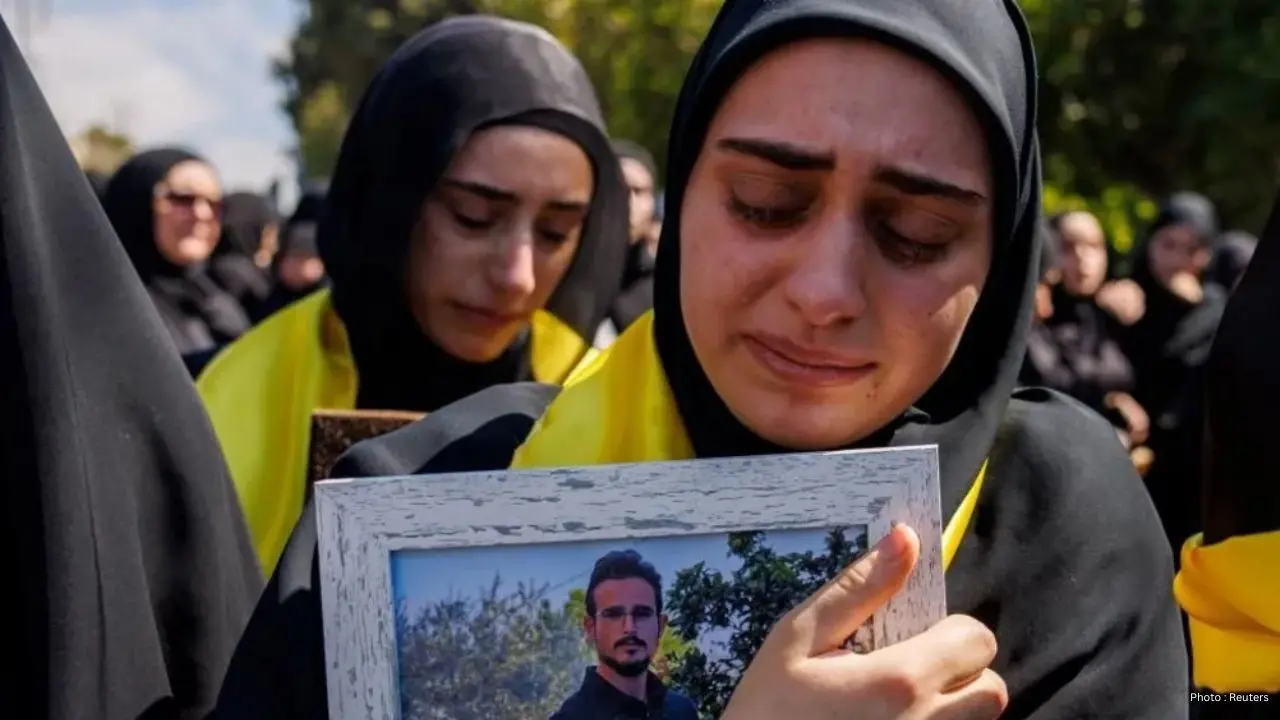
Lebanon’s Health Ministry has reported that the number of fatalities due to Israeli strikes has sadly crossed the 3,000 mark as hostilities with Hezbollah persist despite attempts at establishing a ceasefire. Officials have confirmed that at least 3,020 lives have been lost since the escalation of the conflict earlier this year, marking one of the most tragic periods in Lebanon’s history. The violent clashes have not only resulted in numerous casualties but have also displaced over a million people from their homes.
Authorities indicate that military actions intensified after Hezbollah launched assaults toward northern Israel in March, a response linked to rising tensions in the Middle East involving Iran. Israel’s retaliatory strikes included extensive aerial bombardments and ground operations aimed at crippling Hezbollah’s military strength.
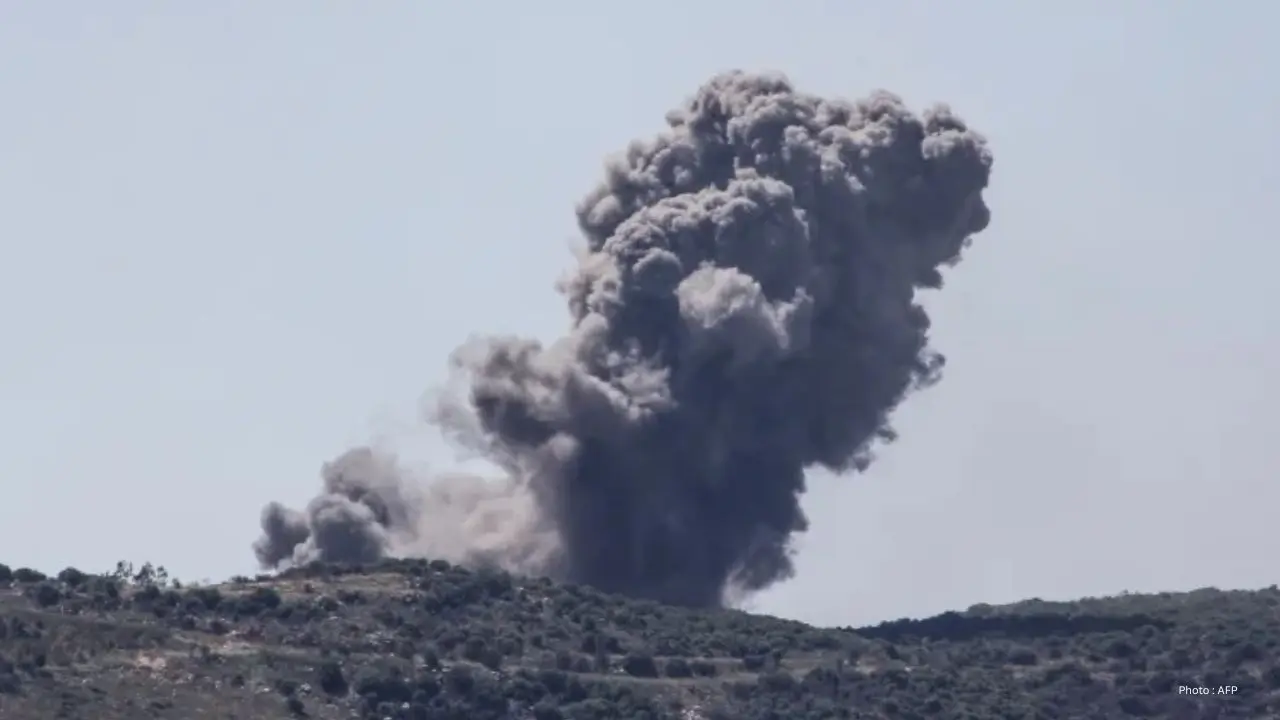
Despite a recent extension of a U.S.-supported ceasefire, near-daily skirmishes and airstrikes have persisted. Reports suggest that Israeli aircraft have conducted recent operations in southern Lebanon, while Hezbollah has retaliated with drones and missiles aimed at Israeli military installations. Tragically, many of the casualties include civilians, such as women and children, as well as healthcare personnel involved in emergency responses.
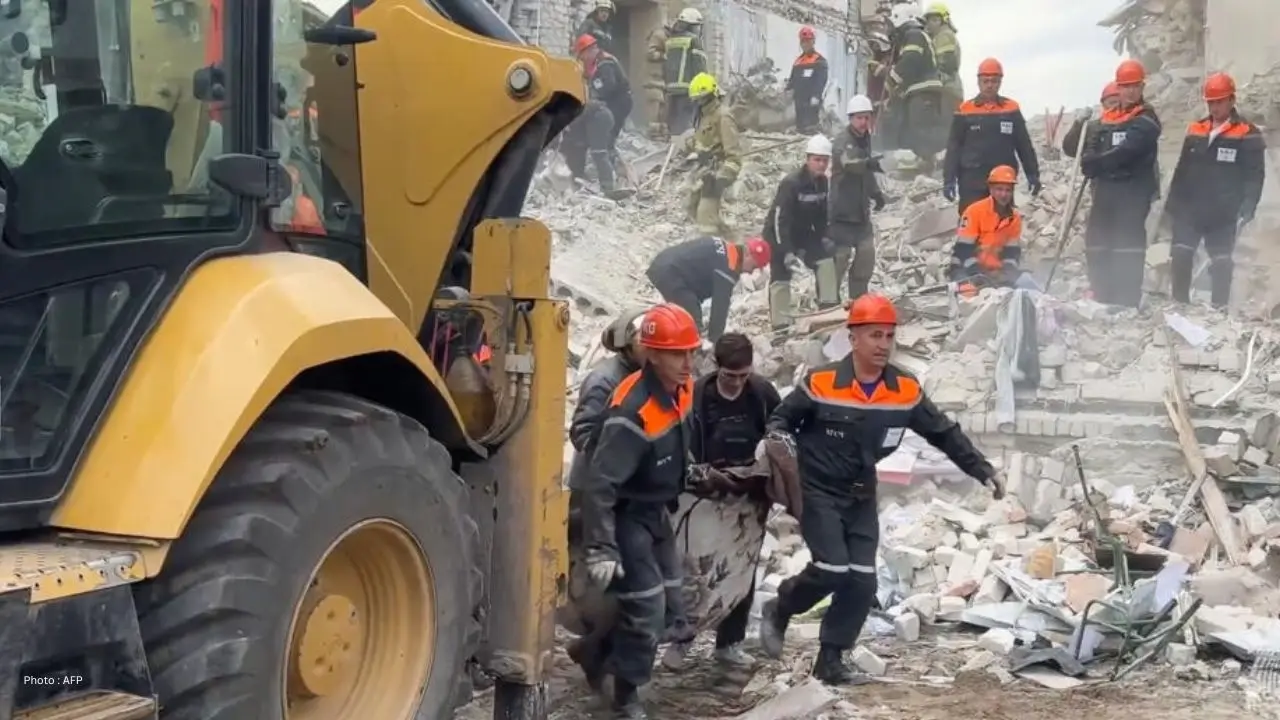
A recent strike near Baalbek resulted in the death of a leader from the Palestinian Islamic Jihad alongside his daughter. Additionally, an attack on a civil defense facility led to the deaths of emergency responders and injuries to several others. Concerns have been raised repeatedly regarding the impact of military actions on civilian structures and healthcare services during the ongoing conflict.
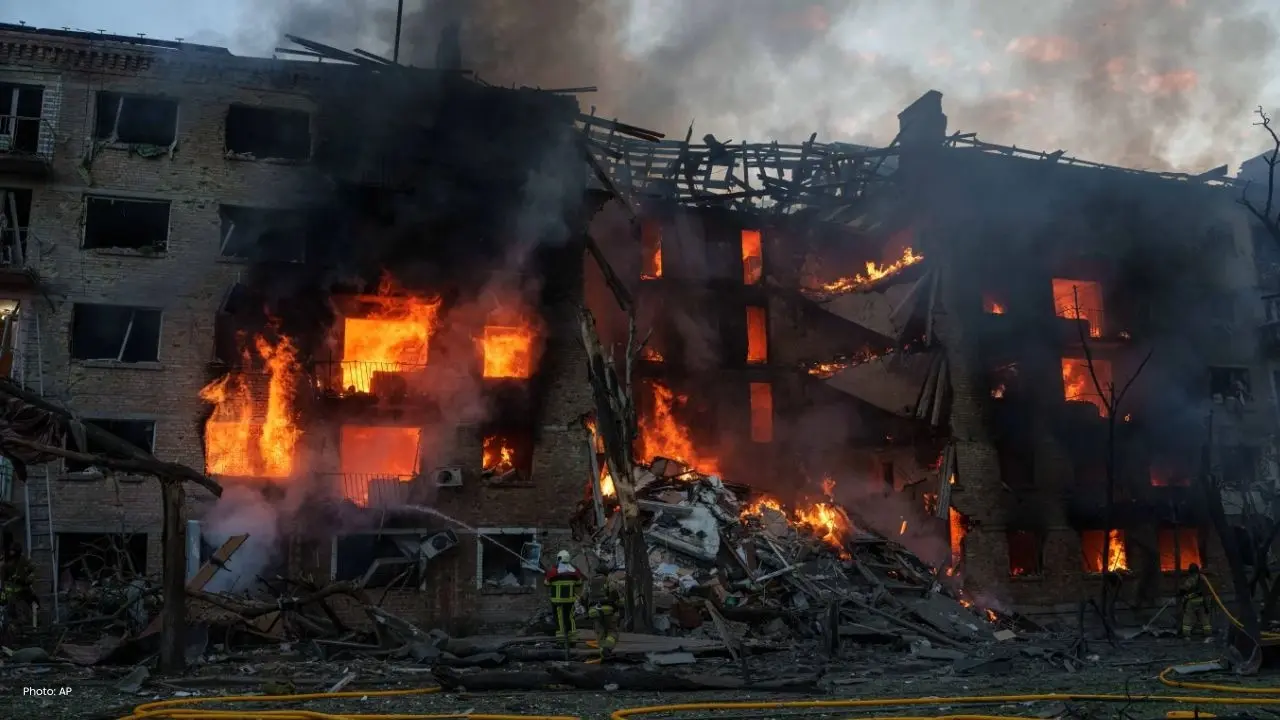
The humanitarian crisis in Lebanon has deteriorated as clashes spread across various regions. Thousands of structures have been either damaged or completely destroyed, particularly in the south. Essential infrastructure like roads and communication systems is under severe strain due to continuous assaults. Aid organizations emphasize that numerous displaced families find themselves lacking adequate shelter, food, and medical assistance as the fighting drags on.
Israel's military counters that their operations target Hezbollah, allegedly using civilian areas to launch strikes and store armaments. They argue that their airstrikes are directed at crucial military assets of Hezbollah. In the meantime, Hezbollah claims it is merely defending Lebanon against Israeli aggression.
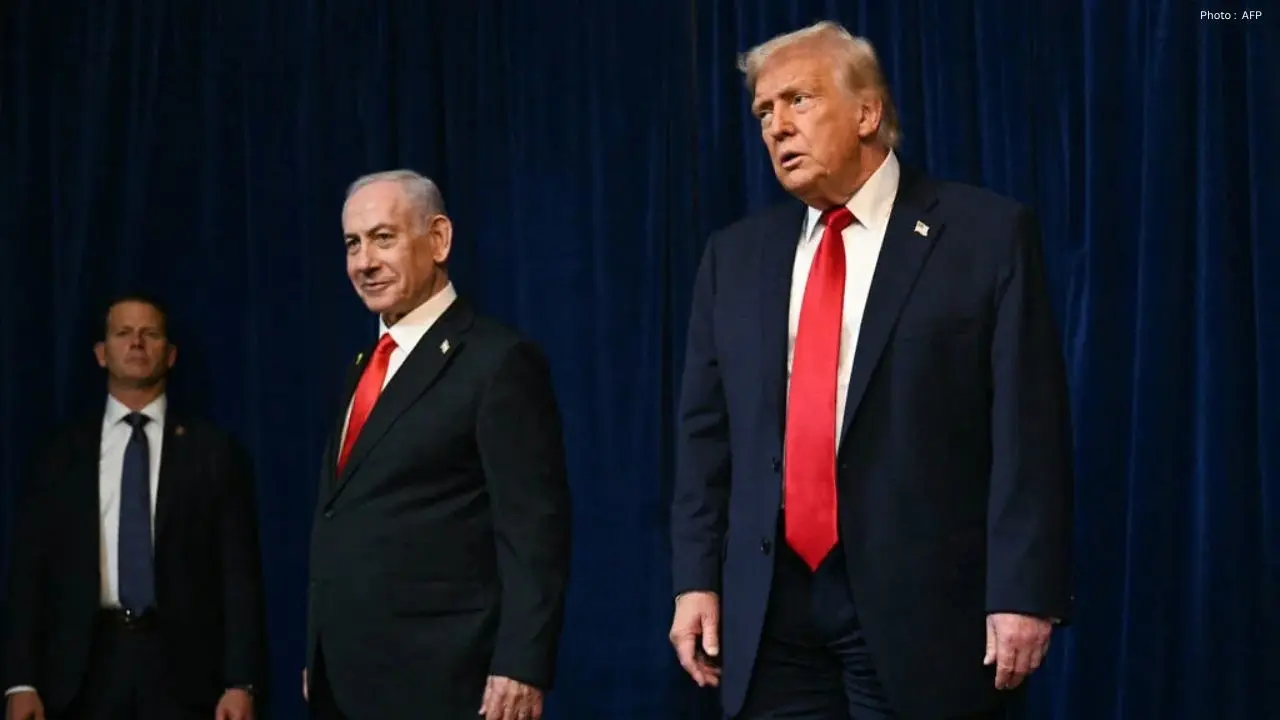
As the violence persists, international apprehension grows. The United States and other global players are involved in ongoing diplomatic attempts to quell the unrest, though negotiations face challenges due to the complicated dynamics surrounding Iran, Gaza, and Hezbollah.
Lebanon's officials emphasize that the nation is currently experiencing one of its most severe humanitarian crises in years. Reports indicate that hospitals are becoming overwhelmed with casualties, prompting fears of even greater displacement and economic fallout. The Lebanese government has repeatedly urged the international community to intervene and protect civilians.
Israeli officials maintain that military actions will persist until they believe the threats from Hezbollah are diminished. Experts observe that the situation remains precarious, with both factions continuing hostilities despite diplomatic initiatives. Furthermore, analysts express concerns that any escalation could involve more regional powers, exacerbating instability in the Middle East.