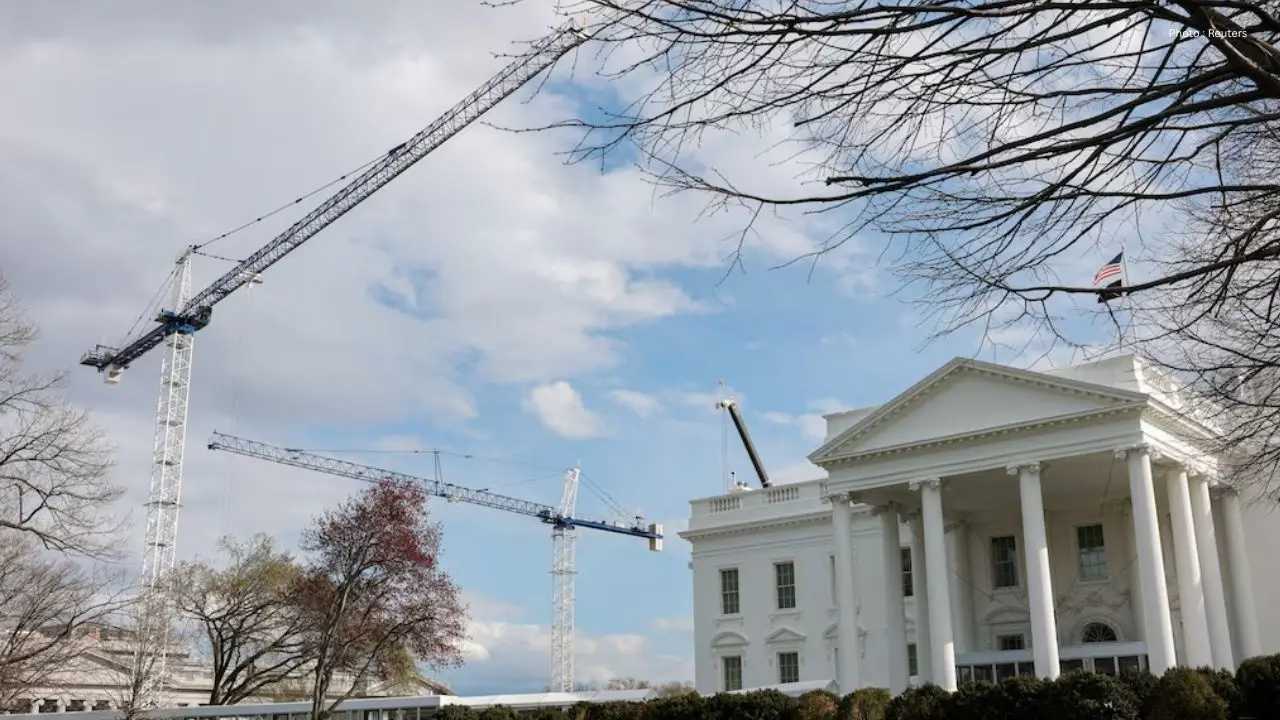
A federal judge in the U.S. has put a stop to the above-ground construction of President Donald Trump’s envisioned White House ballroom, marking a notable legal hurdle for the prestigious project. While this decision halts visible advancements, underground construction is permitted to proceed until requisite approvals are secured.
Judge Richard Leon highlighted the need for congressional authorization prior to moving forward. He dismissed claims that the project could advance citing national security, asserting that legal protocols cannot be disregarded. Furthermore, he implied that the administration might have tried to skirt prior legal constraints by redefining the project.
The ballroom initiative, intended to be situated within the White House grounds, has encountered various legal obstacles over recent weeks. A prior temporary halt was issued in March following allegations that essential guidelines were not observed before construction commenced.
The lawsuit was initiated by the National Trust for Historic Preservation, which argued that the administration neglected to present plans to the National Capital Planning Commission, failed to carry out an environmental assessment, and ignored the need for congressional sanction. The organization further asserted that the initiative might contravene constitutional regulations concerning federal property management.
The ballroom project has notably expanded from its original vision. Initially meant to host approximately 500 individuals, revised proposals indicate a facility capable of holding up to 1,350 attendees. The estimated cost of the endeavor stands at around $400 million, funded through private contributions according to the administration.
President Trump has championed the initiative, deeming it vital for large gatherings and meetings with global leaders. He also conveyed that the facility would incorporate security elements, such as bomb shelters and medical resources, framing it as crucial for national security and military purposes.
Nevertheless, critics express concern regarding the legal protocols and the wider ramifications of transforming historic government properties without adequate oversight. Following this ruling, the Justice Department has opted to appeal, indicating that this legal struggle over the ballroom project is set to persist.
This ruling marks a significant progression in the ongoing debates on proposed modifications to Washington’s historic landscape, as discussions continue to unfold regarding the equilibrium between modernization, security imperatives, and legal responsibility.