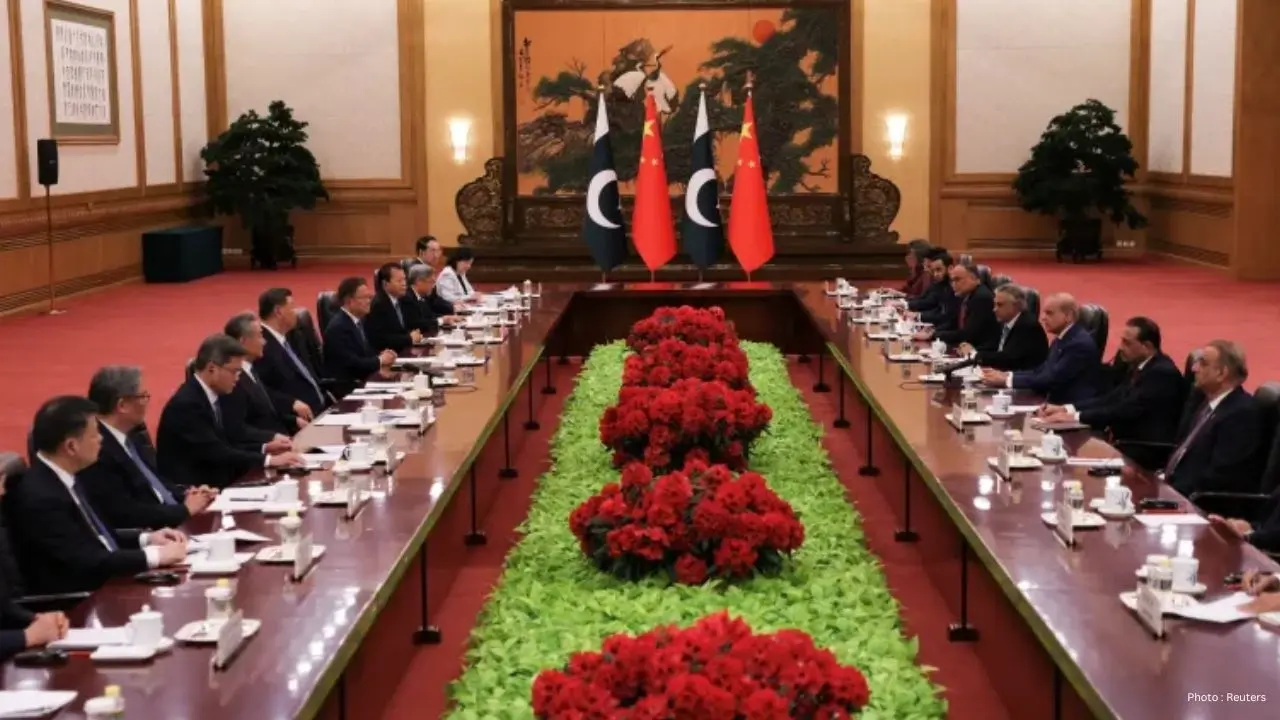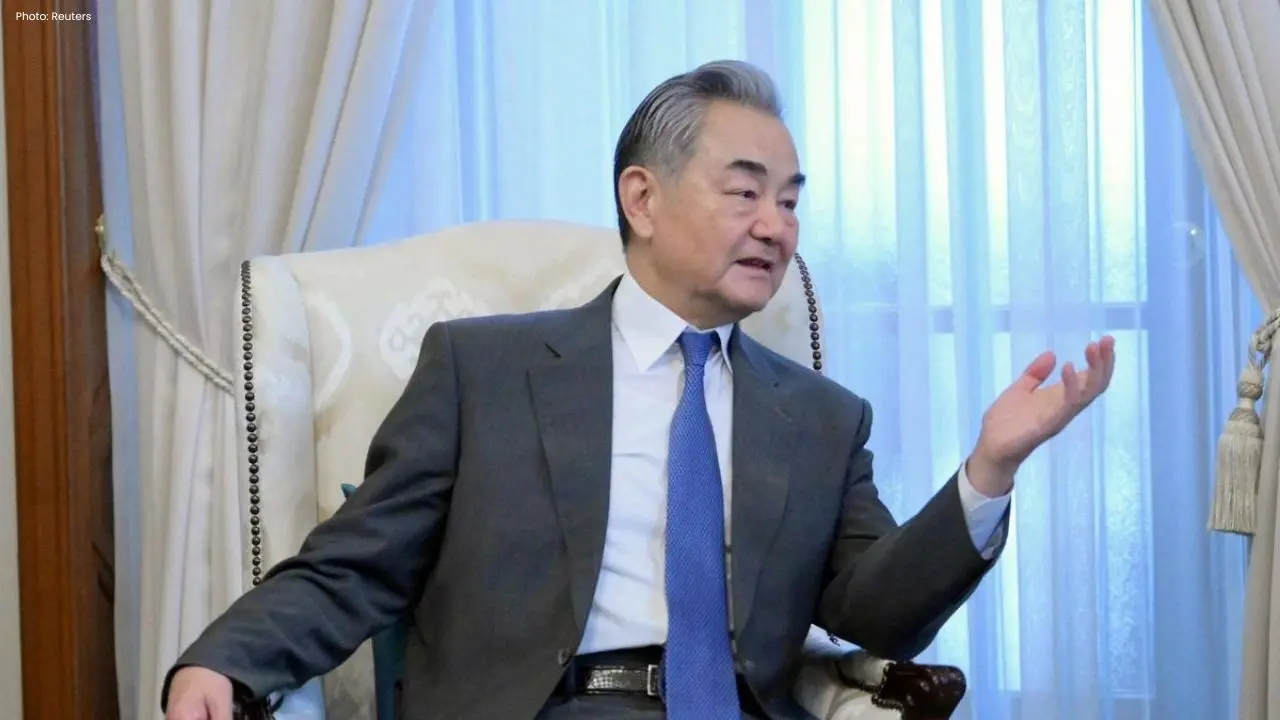
China has announced that Foreign Minister Wang Yi will not be present at the BRICS Foreign Ministers’ meeting occurring in New Delhi on May 14 and 15. The Foreign Ministry explained this decision stems from “scheduling conflicts”, and emphasized that no other high-ranking Chinese official would be attending this significant diplomatic assembly.
Wang Yi's absence raises eyebrows internationally, particularly as the meeting coincides with notable global political and economic changes. The agenda in New Delhi is set to tackle crucial topics such as international trade, geopolitical dynamics, economic collaboration among BRICS countries, and security matters. The lack of a senior Chinese figure could notably influence the discussions and overall atmosphere during the summit.
The timing is also noteworthy since the BRICS meeting overlaps with the impending visit of U.S. President Donald Trump to China. Trump is slated to arrive in Beijing on May 13 for crucial dialogues with Chinese leadership. Analysts suggest that the preparations around this visit may have impacted China’s choice to withhold its foreign minister from attending events in India concurrently.
China-India relations have been delicate recently, marked by border disputes and strategic rivalry. However, cooperation continues within multilateral frameworks like BRICS, which also incorporates Brazil, Russia, and South Africa. Experts argue that while Wang Yi's absence may not signal a breakdown in diplomatic relations, it certainly conveys a political message during a pivotal international event.
The BRICS Foreign Ministers’ meeting is anticipated to convene representatives from member nations to deliberate on economic coordination, trade alliances, technological collaborations, climate issues, and reforms in global governance organizations. India aims to leverage this platform to bolster partnerships among emerging economies and assert BRICS' role in shaping future global economic dynamics.
Chinese officials have not elaborated further on this matter outside of citing scheduling issues. The Foreign Ministry did not clarify whether a junior delegation would participate, either virtually or in person, leading to speculation among observers about the potential ramifications of this diplomatic decision, especially during a time when global powers are navigating strategic partnerships and regional interests with care.
Political commentators believe the developments surrounding the BRICS session alongside Trump’s visit to China exemplify the intricate geopolitical interplay in Asia and globally. With major powers vying for economic and strategic superiority, international assemblies like BRICS are becoming increasingly vital for diplomatic solidarity among developing nations. The forthcoming days are likely to shed light on China’s evolving diplomatic strategies and regional outreach.