Best Places to Watch the Northern Lights During Solar Max
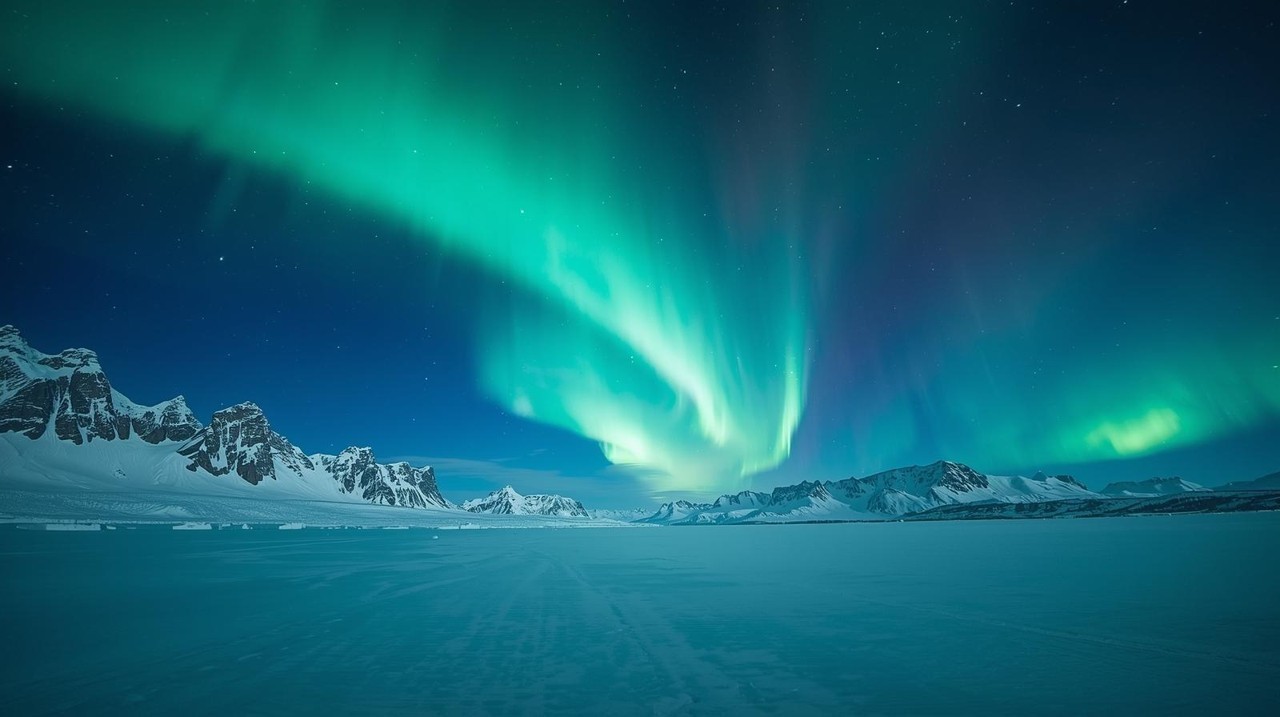
The Northern Lights are always magical, but Solar Max makes them dramatically brighter, more frequent, and visible across wider regions than usual. Solar Max is the peak of the Sun’s 11-year activity cycle, when solar storms are strongest and auroras become intense, colorful, and visible for longer hours. If you want a once-in-a-lifetime aurora experience, these are the best places worldwide to see the Northern Lights at their brightest during Solar Max.
Why Solar Max Matters for Aurora Hunters
During Solar Max, the Sun releases stronger coronal mass ejections and solar flares that interact with Earth’s magnetic field. This increases aurora frequency, intensity, and clarity.
What This Means for Travelers
-
More nights with strong aurora activity
-
Brighter colors like green, pink, purple, and red
-
Auroras visible even from regions farther south
-
Higher chances even in partially cloudy weather
-
Longer viewing windows throughout the night
This makes Solar Max the best time in years to see the Northern Lights if you choose the right destination.
Norway: Europe’s Most Reliable Aurora Zone
Norway sits directly under the auroral oval, which means consistent, powerful auroras throughout winter.
Tromsø: The Arctic's Aurora Capital
Tromsø offers clear skies, mild Arctic climate compared to other regions, and daily aurora tours.
What Makes It Ideal
Minimal light pollution, perfect viewing angles, and frequent strong activity.
Best Time
September to April.
Bonus
Fjord cruises, dog-sledding, reindeer experiences.
Svalbard: Extreme Visibility at the Edge of the World
Located far above the Arctic Circle, Svalbard experiences polar night, allowing 24-hour darkness for long viewing sessions.
Why It Stands Out
Even daytime auroras are possible during Solar Max.
Iceland: The Most Photogenic Aurora Landscapes
Iceland’s open skylines, volcanic backdrops, and strong solar activity create breathtaking viewing opportunities.
Best Viewing Areas
-
Thingvellir National Park
-
Vik black sand beaches
-
Jokulsarlon Glacier Lagoon
-
Myvatn in the north
Open landscapes make it easy to escape clouds and city lights.
Why Iceland Is Ideal During Solar Max
Auroras become so strong that they often stretch across the entire sky, making them visible even near Reykjavik.
Finland: Crystal-Clear Nights and Glass Igloos
Finland is known for ultra-clear Arctic skies and luxury stays built for aurora viewing.
Top Area: Finnish Lapland
Rovaniemi, Levi, and Saariselkä offer snow-covered landscapes and long viewing hours.
Unique Stay Options
Glass igloos and aurora domes give uninterrupted sky views without stepping outside in freezing temperatures.
Sweden: Remote, Quiet, and Perfect for Photography
Northern Sweden offers some of Europe's darkest skies, especially in Abisko, often considered the best place globally for a stable aurora experience.
Abisko National Park
Abisko has a microclimate that keeps the sky clear even when surrounding areas are cloudy.
Why Photographers Love It
Stable weather, dramatic mountain backdrops, and high aurora frequency during Solar Max.
Canada: Wild, Dark Skies for Powerful Auroras
Canada’s vast northern territories offer some of the most dramatic auroras on Earth.
Yukon: A Hidden Gem
Clear skies, lakeside reflections, and incredible color intensity during Solar Max.
Northwest Territories: Aurora Capital of North America
Yellowknife lies directly under the auroral oval and delivers near-perfect viewing conditions.
Churchill, Manitoba
Known for polar bears, but also one of the strongest self-driven aurora destinations.
Alaska: Big Auroras, Big Landscapes
Alaska combines large open wilderness with strong solar activity.
Fairbanks
One of the most reliable aurora destinations in the world, hosting thousands of visitors annually.
Why Fairbanks Is Ideal
Stable weather patterns, long viewing nights, and high aurora intensity during Solar Max.
Anchorage & Denali National Park
During Solar Max, solar storms often push auroras far enough south for spectacular displays in these regions too.
Greenland: Remote, Untouched, and Intensely Bright
Greenland’s isolation provides unmatched dark skies.
Best Places
Ilulissat, Kangerlussuaq, and Nuuk offer incredible visibility and colorful auroras.
Why It’s Special
Minimal pollution and strong solar activity create some of the brightest colors in the Northern Hemisphere.
Scotland: A Rare but Stunning Aurora Zone During Solar Max
Scotland is not usually associated with auroras, but during Solar Max, the “Mirrie Dancers”—the Scottish name for the Northern Lights—appear far more often.
Best Spots
Isle of Skye, Orkney Islands, Shetland Islands.
Why Visit
You can experience auroras without traveling to the Arctic.
Tips to Increase Your Aurora Viewing Success
During Solar Max, auroras are much more frequent, but preparation still helps.
Check Aurora Forecast Apps
Forecasts like Kp Index help determine activity strength.
Choose Locations With Minimal Light Pollution
Rural areas, national parks, and open landscapes work best.
Look Between 10 PM and 3 AM
This is peak aurora time, especially during strong solar storms.
Stay for at Least 3 Nights
Weather changes quickly; a longer stay increases success.
Bring Proper Winter Gear
Northern regions can reach extremely low temperatures.
Final Thoughts
Solar Max offers the brightest and most frequent Northern Lights in over a decade. If you’ve ever dreamed of witnessing them, this is the best time to travel. Destinations like Norway, Iceland, Finland, Sweden, Canada, Alaska, and Greenland offer world-class aurora visibility, while places like Scotland become surprise hotspots. With the right timing, location, and a bit of solar activity, you can experience skies filled with shimmering greens, purples, and reds that you will remember for the rest of your life.
Disclaimer
This article is for general informational purposes only and does not guarantee aurora visibility, which depends on weather conditions, solar activity, and geographic factors. Travel plans, safety decisions, and bookings should be made after personal research or consultation with relevant experts or authorities. The author is not responsible for travel outcomes or interpretation of the information provided.