Adaptive Fitness: The Smarter Way to Train Your Body for Strength, Mobility, and Recovery
Disclaimer: This article is for informational purposes only and is not a substitute for professional medical or fitness advice. Always consult a certified trainer or healthcare professional before starting a new workout program.
What Is Adaptive Fitness?
The fitness industry is evolving, and one of the biggest trends redefining how people train today is adaptive fitness. Unlike one-size-fits-all workouts, adaptive training focuses on personalized movement patterns and targeted muscle engagement based on an individual’s physical abilities, lifestyle, and goals.
Whether you’re recovering from an injury, dealing with limited mobility, or simply want to correct muscle imbalances, adaptive workouts are designed to meet your body where it is — and safely help you build from there.
Why Adaptive Training Is Gaining Global Attention
Modern fitness isn’t just about lifting heavier weights or running faster miles. It’s about training smarter, not harder. Adaptive fitness takes into account your posture, muscle balance, flexibility, and recovery rate to design a workout that minimizes risk while maximizing results.
Some of the main reasons this trend is gaining traction include:
-
Custom Fit for Every Body Type: Exercises are modified to match your physical capabilities and goals.
-
Focus on Longevity: Reduces overtraining and injury risk by strengthening weak or underused muscles.
-
Improved Recovery: Especially beneficial for people with joint issues, chronic pain, or past injuries.
-
Holistic Progress: Emphasizes strength, mobility, and balance rather than just aesthetics.
The Science Behind Adaptive Workouts
Your body adapts constantly — whether to stress, sleep, or physical activity. Adaptive fitness uses this biological principle of progressive adaptation to stimulate specific muscles safely and effectively.
Here’s how it works:
-
Assessment First: Trainers evaluate your current mobility, posture, and muscle imbalances.
-
Customized Programming: Based on your strengths and weaknesses, workouts are adjusted for volume, intensity, and movement range.
-
Constant Feedback Loop: Progress is tracked, and workouts evolve as your body adapts and improves.
By targeting muscles that are underused and correcting overactive ones, adaptive training helps create better symmetry, improved posture, and enhanced overall strength.
Key Muscle Groups Adaptive Workouts Often Target
Adaptive workouts emphasize functional movement, which means they strengthen the muscles you use in everyday life. Commonly targeted areas include:
-
Core and Stabilizers: To improve balance, posture, and lower back health.
-
Glutes and Hamstrings: To correct weak lower-body strength and support hip mobility.
-
Shoulders and Upper Back: To counteract “tech-neck” and poor posture from sitting long hours.
-
Knees and Ankles: For joint stability and injury prevention in athletes and older adults.
Each program is fine-tuned based on your specific body mechanics, ensuring you train safely while building consistent strength.
How to Start Adaptive Training Safely
Starting an adaptive fitness routine doesn’t require expensive gym memberships or high-end technology. It begins with awareness and structure.
Here are practical steps to get started:
1. Get a Functional Assessment
Before lifting weights or running sprints, identify your body’s movement limitations. Many trainers offer mobility screenings to pinpoint tight or weak muscle groups.
2. Focus on Controlled Movements
Instead of speed, emphasize precision and form. Controlled repetitions allow your brain and muscles to build stronger neuromuscular connections.
3. Include Mobility and Flexibility Work
Integrate stretches, foam rolling, and dynamic warm-ups. These prepare your muscles and joints for better range of motion and reduce stiffness.
4. Progress Gradually
Adaptive fitness thrives on incremental progression. Gradually increase resistance, intensity, or duration as your body adjusts.
5. Listen to Your Body
The core principle of adaptive fitness is tuning in to how your body feels. Fatigue, soreness, or reduced mobility are signs to adjust your training plan.
Adaptive Fitness Tools and Techniques
Technology has played a major role in popularizing adaptive training. From smart wearables to AI-powered fitness apps, the tools available today make tracking progress easier than ever.
Some key tools and techniques include:
-
Resistance Bands and Suspension Trainers: Great for controlled resistance and functional strength.
-
Stability Balls and Balance Boards: Improve coordination and core strength.
-
Smart Mirrors and Apps: Offer real-time form correction and personalized workout guidance.
-
Wearable Trackers: Monitor heart rate variability and recovery to prevent overtraining.
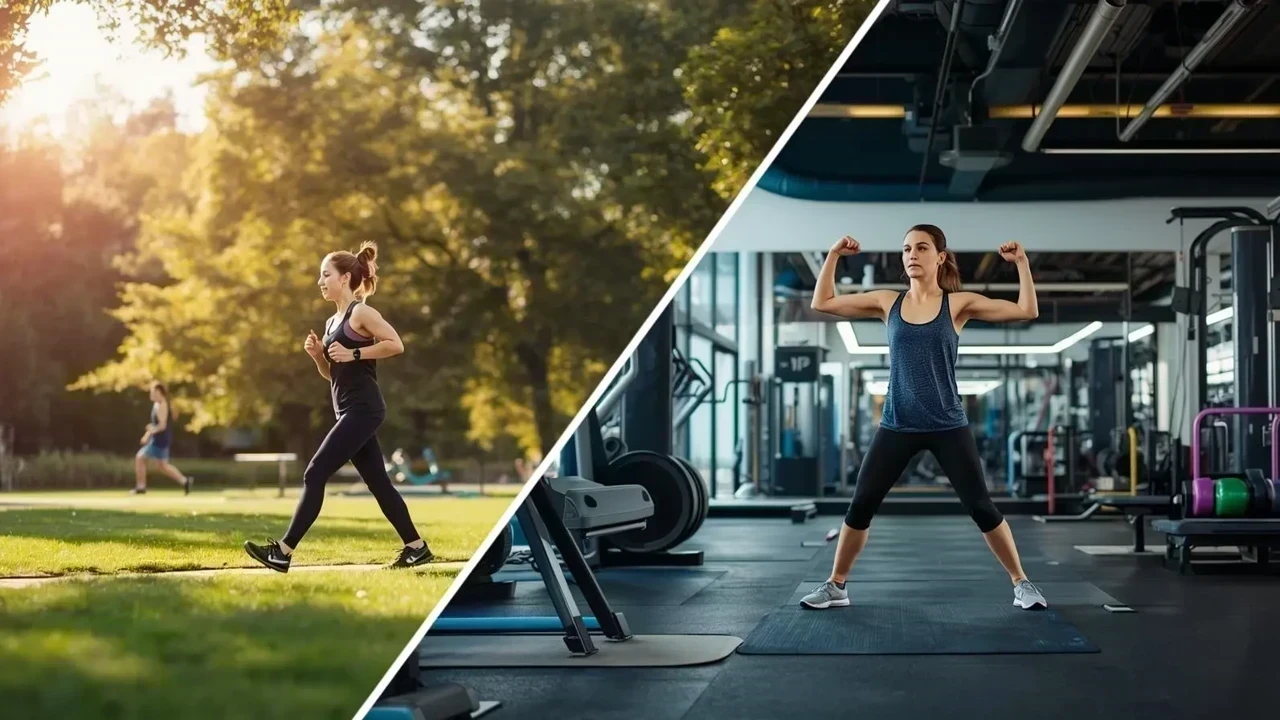
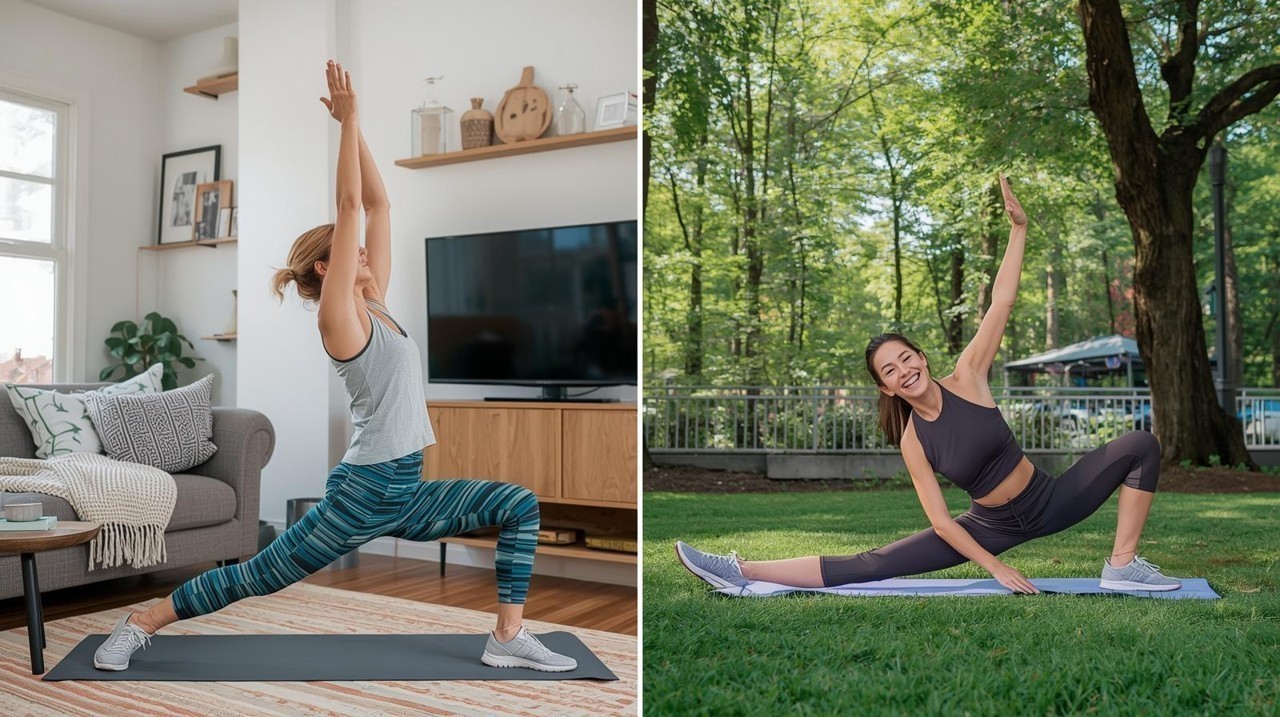
For those training at home, bodyweight workouts and resistance bands are perfect starting points for building adaptive strength.
Who Can Benefit from Adaptive Workouts?
Adaptive fitness is not limited to athletes or gym enthusiasts. It’s for everyone — from office workers with tight shoulders to seniors improving mobility.
You can benefit if you:
-
Have a sedentary lifestyle and want to ease into fitness.
-
Are recovering from an injury or surgery.
-
Want to correct postural issues or chronic pain.
-
Seek to enhance athletic performance through smarter training.
-
Need to reduce stress and improve body awareness.
The Mental Health Connection
Adaptive workouts aren’t just about physical transformation. Studies show that consistent, mindful movement enhances mental clarity, stress resilience, and emotional well-being.
Because the routines are personalized, they build confidence and create a positive relationship between your body and mind — turning exercise into a sustainable lifestyle habit rather than a chore.
The Future of Adaptive Fitness
As AI, biomechanics, and personalized data analysis continue to advance, adaptive fitness is set to become the new normal in health and performance training.
Future fitness systems will likely integrate real-time muscle tracking, AI-powered form correction, and predictive recovery analytics, allowing individuals to train precisely according to their physical needs.
This movement represents a major shift away from generic, high-intensity workouts toward personalized, intelligent training that prioritizes long-term health.
Final Takeaway
Adaptive fitness is not a short-lived trend — it’s the future of how we train, recover, and build resilient bodies. By focusing on your unique strengths, weaknesses, and goals, adaptive training allows you to work smarter, stay injury-free, and build lasting strength that serves you for life.
If you’re ready to begin, start small: assess your body, move intentionally, and progress at your own pace. Your body isn’t a machine — it’s an adaptive system, capable of incredible transformation when trained with precision and care.